VAT relief on an adapted bathroom
VAT exemption for a disabled bathroom is, in HMRC's terms, zero rating: work to provide, extend or adapt a bathroom can be zero rated if it is necessary to suit the condition of a disabled person1. Being elderly is not enough on its own1. The customer gives the supplier a written declaration1.
Updated , by Bathroom Safety in Pictures
Which bathroom jobs count as an adaptation?
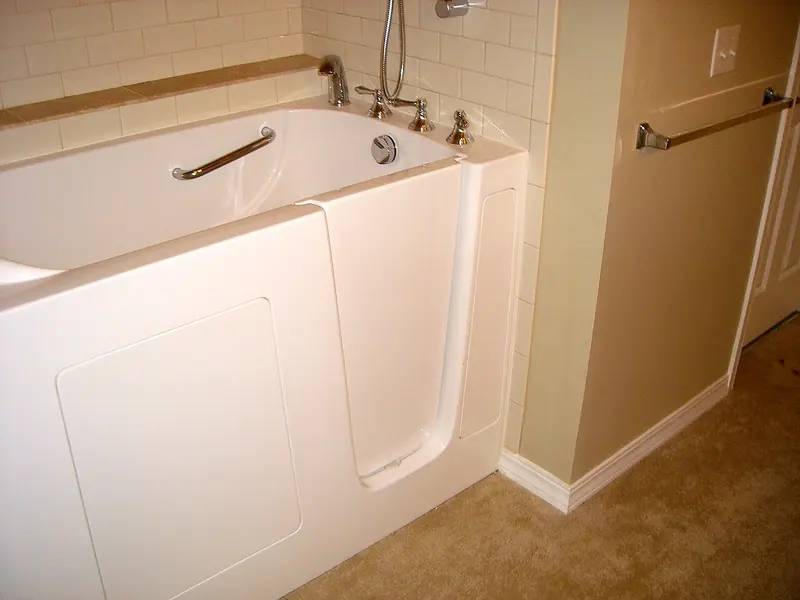
HMRC's notice says services of providing, extending or adapting a bathroom, washroom or lavatory can be zero rated as long as the work is necessary to suit the condition of a disabled person, and that a bathroom includes a shower or a wet room1. The test is the condition, so the same shower may qualify in one household and not in another. Walk-in baths with sealable doors, like this one, and grab rails fall under a different relief: for a customer aged 60 or over, supply and installation can carry a reduced rate12.
Who counts as disabled for VAT purposes?
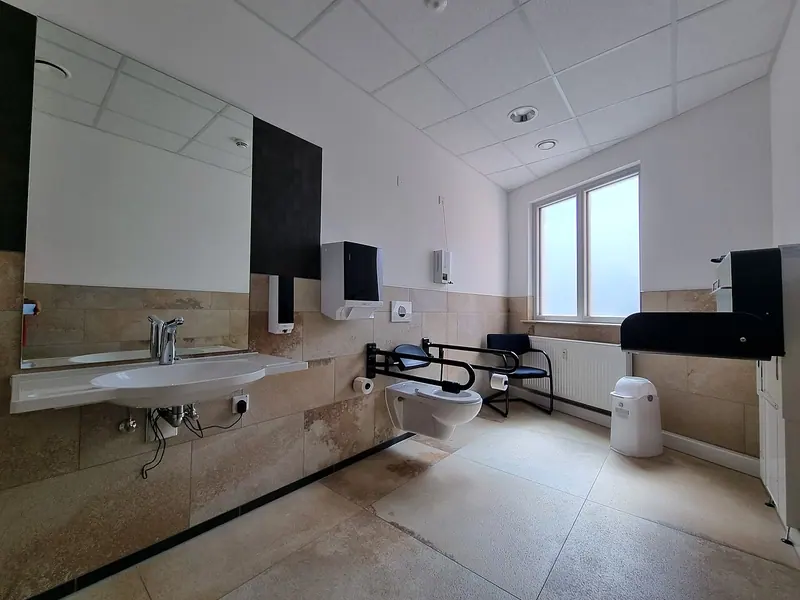
HMRC defines chronically sick or disabled by a physical or mental impairment with a long-term and substantial adverse effect on the person's abilities; the notice sets out the full wording1. It says the definition does not include an elderly person who is not disabled or chronically sick1. A very large, fully adapted room says nothing about eligibility. The person's condition, and whether the work is necessary, are what count.
What paperwork does the supplier need?
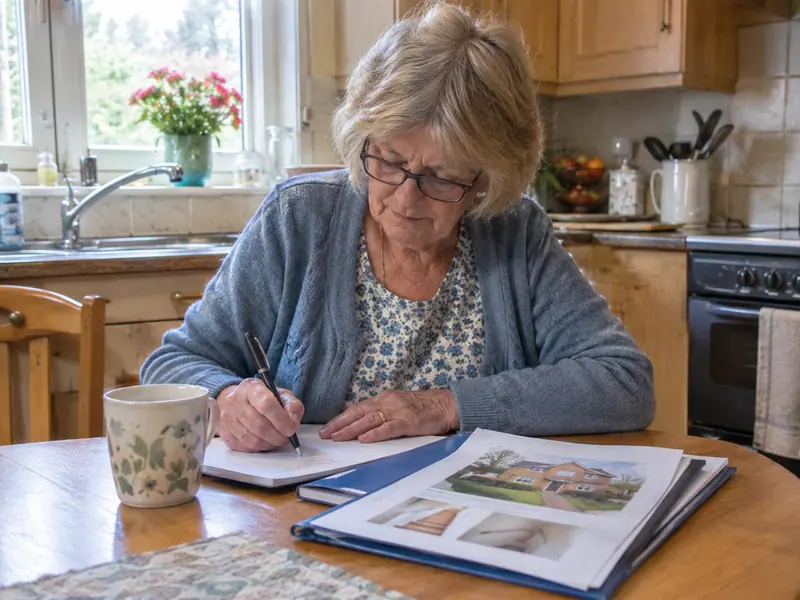
HMRC's notice asks for a written declaration from the customer, kept separate from the order, and says someone else may sign if the person cannot1. The supplier is the one who relies on it, so raise it before work starts, not when the invoice arrives. No way to reclaim VAT afterwards is described in these sources. GOV.UK also says there is no VAT on products designed or adapted for your own use, plus installation and repair, and to confirm this in writing3.
Two reliefs, and what each does not cover
Zero rating and the 60-and-over reduced rate are separate. Neither is automatic, and the supplier applies them.
| Relief | Who it is for | What it covers | What it does not cover |
|---|---|---|---|
| Zero rate | A chronically sick or disabled person | Providing, extending or adapting a bathroom, washroom or lavatory, including a shower or wet room, where the work is necessary to suit the condition1 | An elderly person who is not disabled or chronically sick1 |
| Reduced rate (Age UK states 5%) | A customer aged 60 or over | Supply and installation of grab rails, ramps, stair lifts, bath lifts and walk-in baths with sealable doors; Age UK adds built-in shower seats and showers that contain them12 | General adaptations of a person's home, even for someone over 602 |
What you can do, and who to ask
What you can do
- Ask the supplier, before ordering, whether they will zero rate or use the reduced rate.
- Read the declaration before signing, and keep a copy.
- Describe the condition and why the work is necessary in plain words.
Who decides
- The supplier or installer, who applies the relief on the basis of your declaration; HMRC's notice is the document they rely on1.
- For help with the cost of the work itself, see disabled facilities grants.
Also asked
Are disabled bathroom adaptations VAT exempt?
Strictly they are zero rated rather than exempt, when the work is necessary to suit the condition of a disabled person1. An elderly person who is not disabled or chronically sick does not qualify on age alone1. For customers aged 60 or over, a reduced rate covers named items such as grab rails and bath lifts12.
How do you claim VAT relief on a disabled bathroom?
The relief is applied by the supplier, so no claim afterwards is described here. The customer signs a written declaration, separate from the order, and someone else may sign if the person cannot1. Ask the supplier before work starts whether they will zero rate, and confirm it in writing3.