Cost, and who to ask
A disabled facilities grant is one way to pay for bathroom changes, but the first step is usually a free needs assessment from the council's social services1. In England, equipment and small adaptations are free if you are assessed as needing them1. Larger works may be covered by a grant, which differs between the four nations2.
Updated , by Bathroom Safety in Pictures
What should you have in writing?
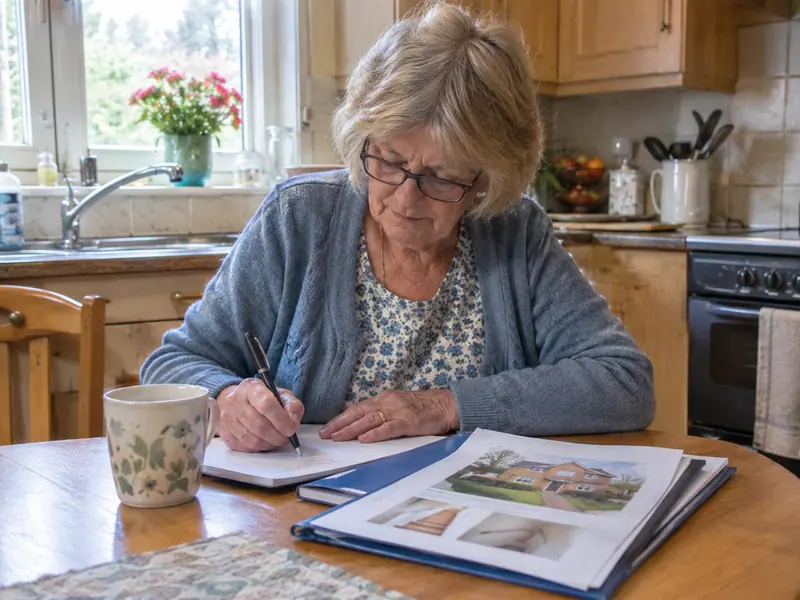
Keep a folder. Write down who you spoke to, on what date, and what they said. For a grant, GOV.UK warns that you might not get any grant if you start work before the council approves it2, so get approval in writing before you book a builder. HMRC's VAT notice asks for a written declaration from the customer, separate from the order4. The council must decide on a grant within six months2; note the date you applied.
Is a big adapted room what grants pay for?
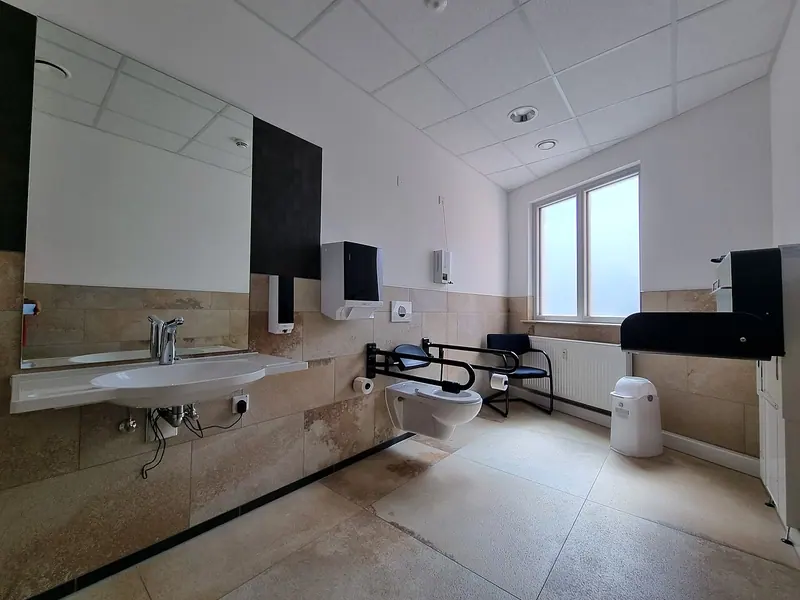
In England, councils cannot charge for disability equipment or minor adaptations costing £1,000 or less, such as a grab rail3. Bigger works are where grants come in. Age UK lists a level-access or wet-room shower, a wider bathroom, a hands-free toilet and a ceiling hoist among works a grant may fund3. 'May' is the word. The council has to agree the work is necessary and appropriate2, and a picture of a large room is not a promise of one.
Does it matter whether you own or rent?
It matters, but a tenant is not shut out. A grant applicant can be an owner, a tenant or a landlord, and must intend to live there during the grant period2. When a landlord applies for a tenant, income is not counted; otherwise it usually depends on household income and savings over £6,0002. In a rented home, ask the landlord early. The nation you live in decides which scheme applies, and the grants page sets them out.
The four pages on money and help
 Disabled facilities grantsFour nations, four sets of rules
 VAT reliefZero rate, reduced rate, or neither
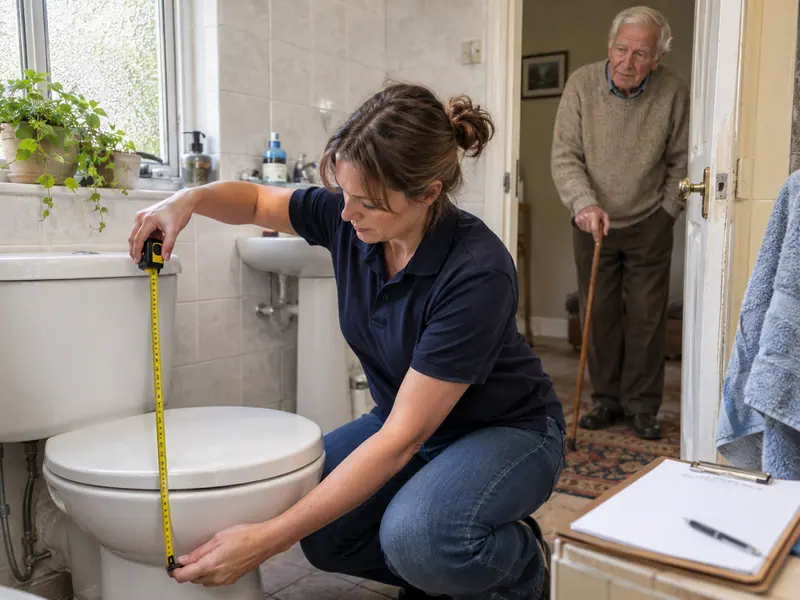
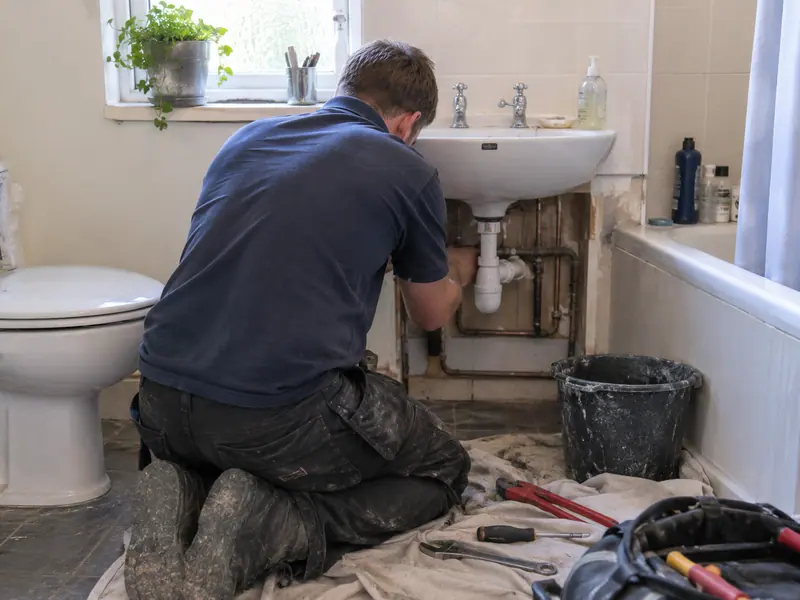
Nothing here promises a grant or an amount. Whether you qualify is decided by the council or the body that runs the scheme where you live.
What you can do, and who to ask
What you can do first
Who to ask
- The council's occupational therapist, who assesses what you need: see getting an assessment.
- A home improvement agency such as Care & Repair or Staying Put: not-for-profit, can identify reputable contractors and oversee works3.
- A GP, if falls are the worry: they may refer you to a falls service5.
Also asked
Who should you ask first about bathroom changes?
The council's adult social services, for a needs assessment, which is free1. If falls are the worry, a GP may refer you to a falls service that includes a home assessment5. The assessor may be an occupational therapist; see the assessment page.
Is VAT charged on bathroom adaptations?
It can be zero rated when the work of adapting a bathroom is necessary to suit the condition of a disabled person. An older person who is not disabled or chronically sick does not count on age alone4. HMRC wants a written declaration from the customer, separate from the order. The VAT page goes through the distinctions.
Can work start before the grant is approved?
GOV.UK says you might not get any grant if you start work first2. Wait for the council's decision in writing before booking anything. The council must decide within six months of the application, and the work should then be finished within 12 months of approval2. Keep the dates in your folder.
Sources
- NHS: Household gadgets and equipment to make life easier
- GOV.UK: Disabled Facilities Grants Covers England, Wales and Northern Ireland; Scotland is not covered
- Age UK: Factsheet 42, Disability equipment and home adaptations (March 2026) England
- HMRC: VAT Notice 701/7, Reliefs from VAT for disabled and older people
- NHS: Falls