Air and electrics in the bathroom
Bathroom electrical zones1 set out where sockets, lights and heaters may go, and wiring work in them is for a registered electrician. This part of the room also covers the extractor fan and mould2, and old textured ceilings that should not be drilled or sanded until you know what is in them3.
Updated , by Bathroom Safety in Pictures
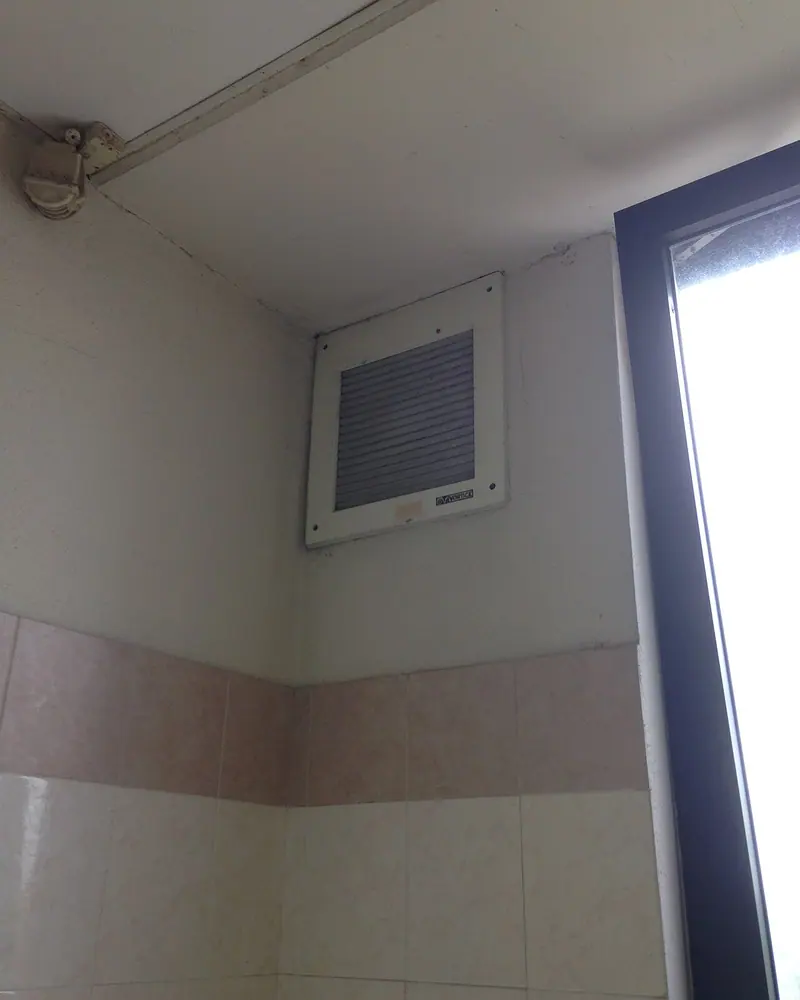
Pictures of wiring, air and ceilings
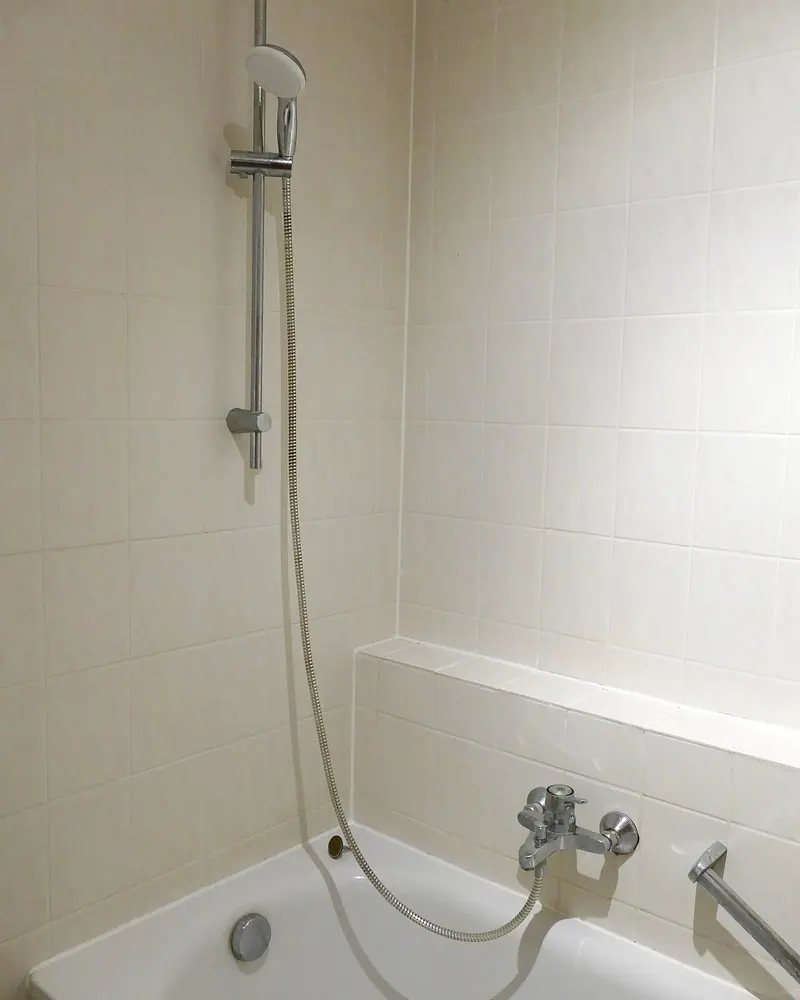 Electrical zonesSockets, pull cords, heaters, towel rails
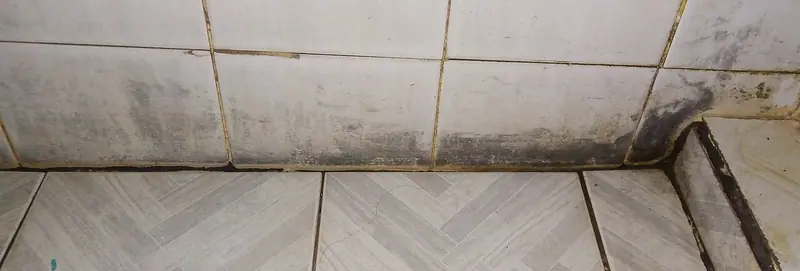 Mould and ventilationFans, steam and what renters can ask
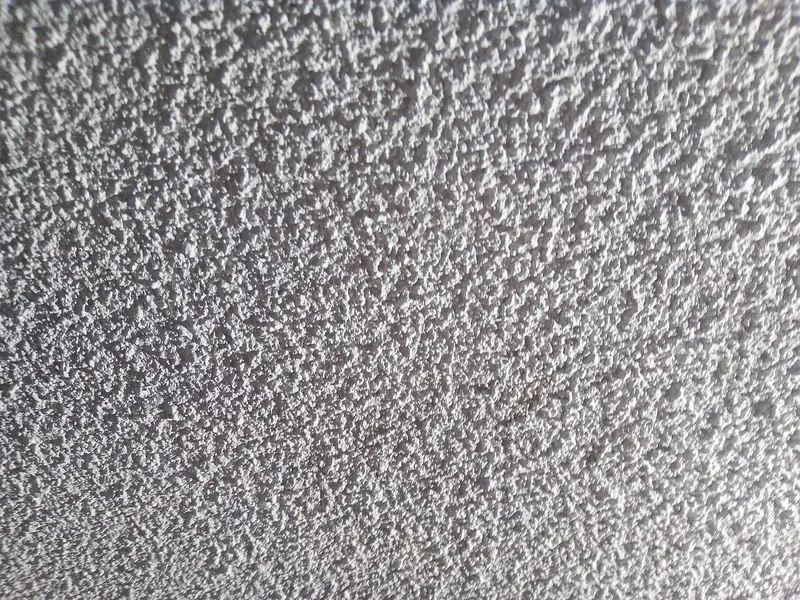 Textured ceilingsBefore you drill, sand or scrape
Three things you can see from the doorway
Start with what is on the walls and ceiling: a pull cord, a shaver unit, a towel rail, and whether anything is plugged in near the bath. Then look at the air. Damp that never clears turns to mould, and UKHSA says it can affect airways, lungs, eyes and skin2. Last, look up. In homes built or refurbished before 2000, a hard textured coating may contain asbestos, and HSE says to stop work if you think you have found it3. None of the three is a job for a householder with a drill or a screwdriver. Each one points you to the right person sooner.