An older parent's bathroom
For bathroom safety for an elderly parent, start with their GP and the council's occupational therapist, not a catalogue. In England, a needs assessment from council social services is free, and equipment and small adaptations are free if they are assessed as needing them1. The pictures here show what to look at while you wait.
Updated , by Bathroom Safety in Pictures
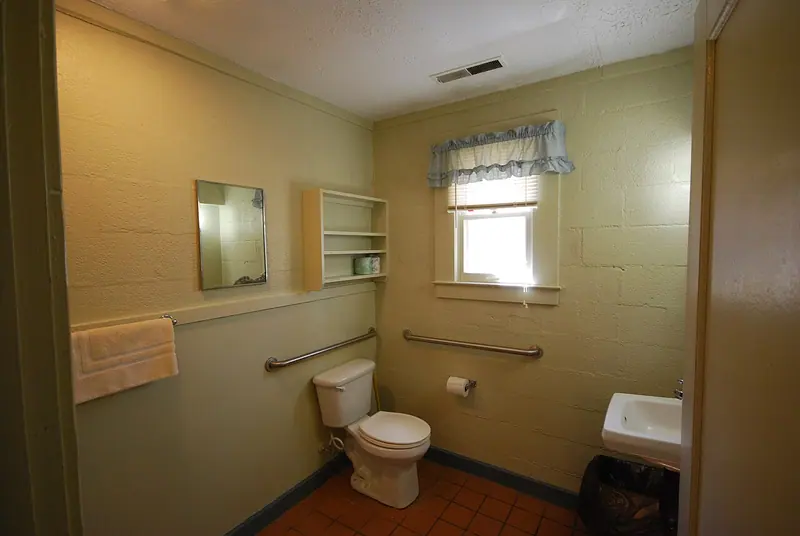
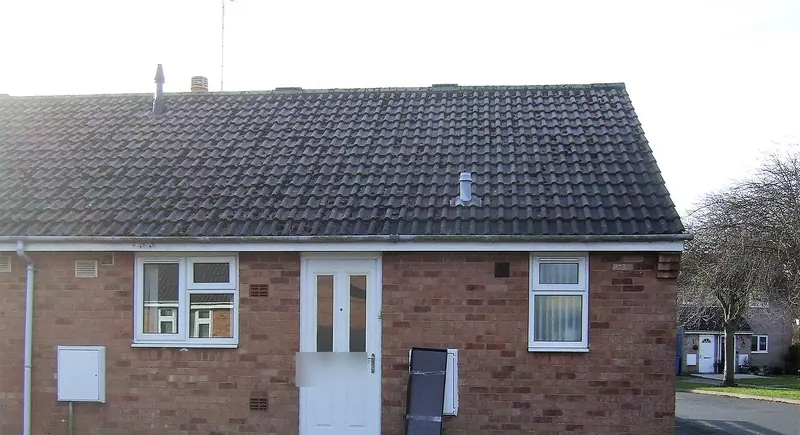
Where does a simple adaptation start?
Often outside the bathroom, with the route from bed to bathroom: how far it is, and whether it is lit and clear. Inside, a rail beside the toilet may be the main change. What does not copy across from any picture is the rail's position, because it depends on the person's body and the room, so ask an occupational therapist. In England, councils cannot charge for minor adaptations costing £1,000 or less, such as a grab rail2.
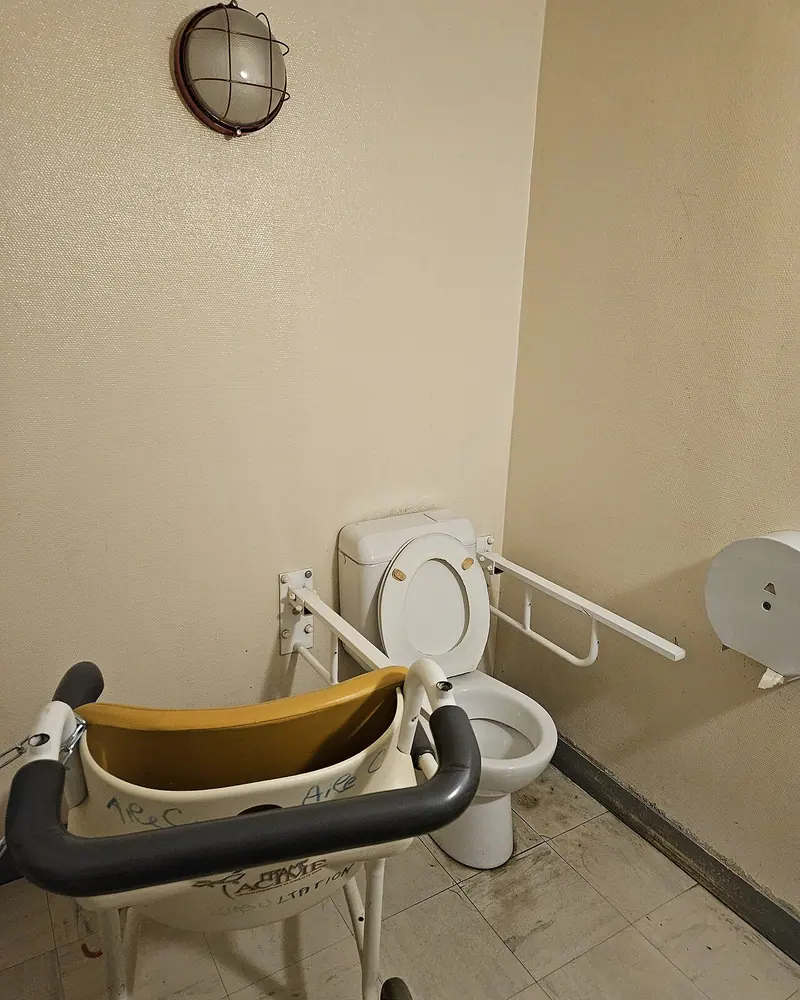
Would a shower chair or commode help at home?
Wheeled shower chairs and commodes are on Age UK's list of equipment, alongside raised toilet seats, toilet frames, bath boards and lever tap extensions2. This hospital photograph shows the pieces side by side. At home the questions are practical: can the chair get through the door, is there room to turn, is there anywhere to park it? Equipment can be hired to try before buying1, and an occupational therapist can say what suits.
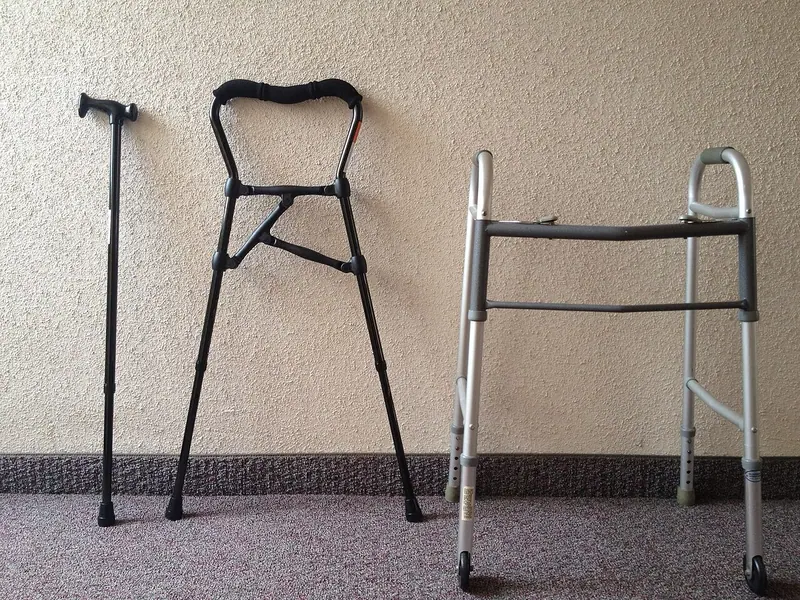
Which walking aid does your parent use?
Look at what your parent actually uses, and where it ends up once they reach the bathroom. A stick has to lean somewhere; a frame has to fit through the door and beside the toilet. Ask who last reviewed it. If balance or mobility has changed, the NHS says to see a GP, who may refer to a falls service for a home assessment, strength and balance training, and a medicines review3. Don't swap one aid for another without advice.
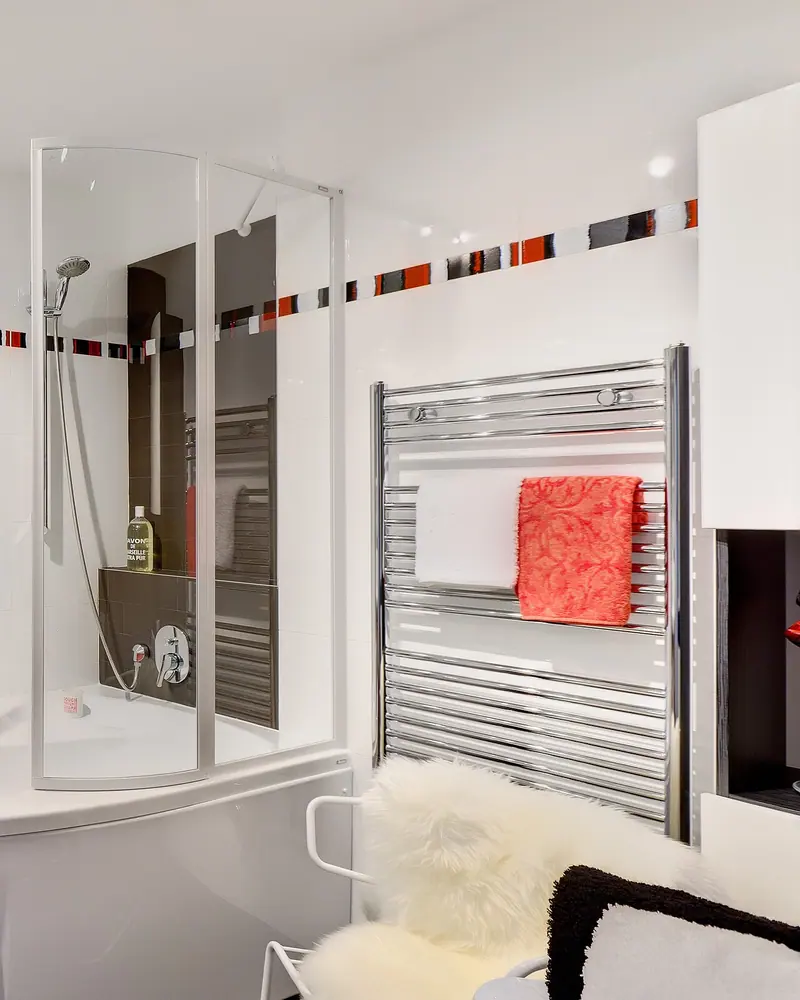
Is the towel rail doing a grab rail's job?
Watch what your parent grabs when they stand up from the toilet or step out of the shower. If it is a towel rail, a shower screen or the basin, none of those is designed to be leaned on. A proper grab rail depends on the wall and fixings behind it, and where a person's weight depends on it, fitting is for a professional. Light matters too. This room is bright; check that your parent's route at night is as well lit, using the night lighting page.
Where to look next in a parent's bathroom
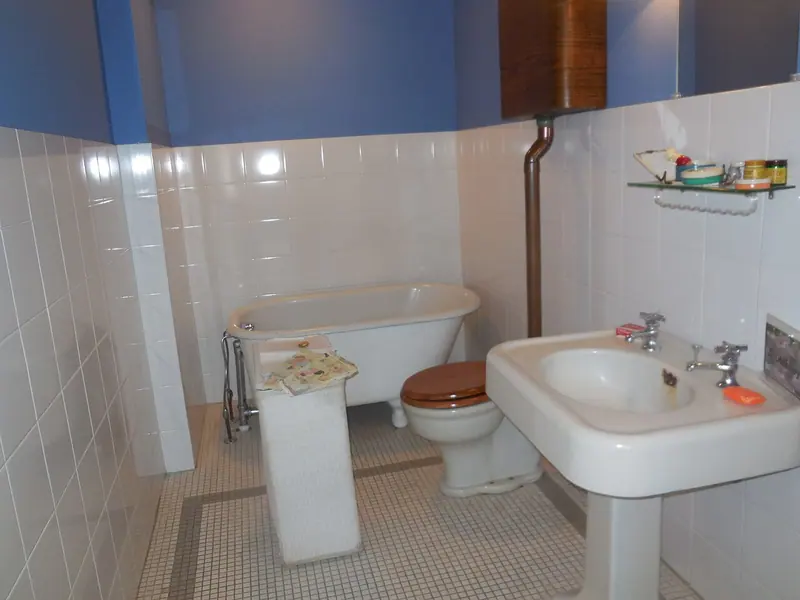 Getting in and outBoards, seats, rails and a hand shower
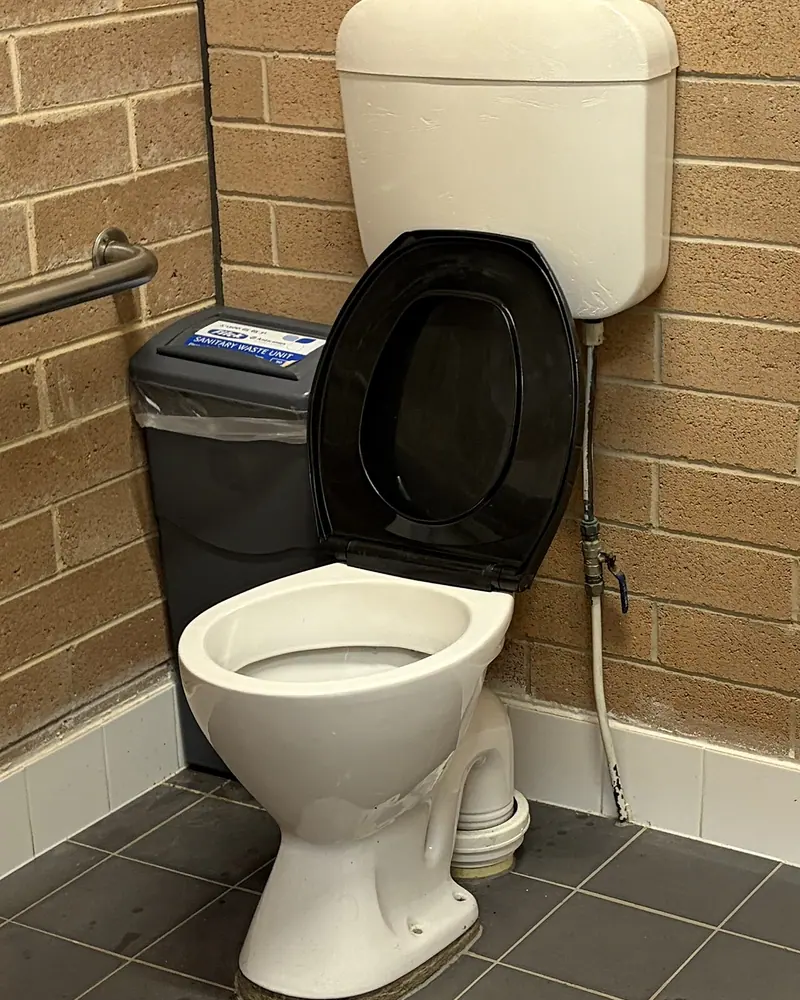 Toilet heightRaised seats and what they need
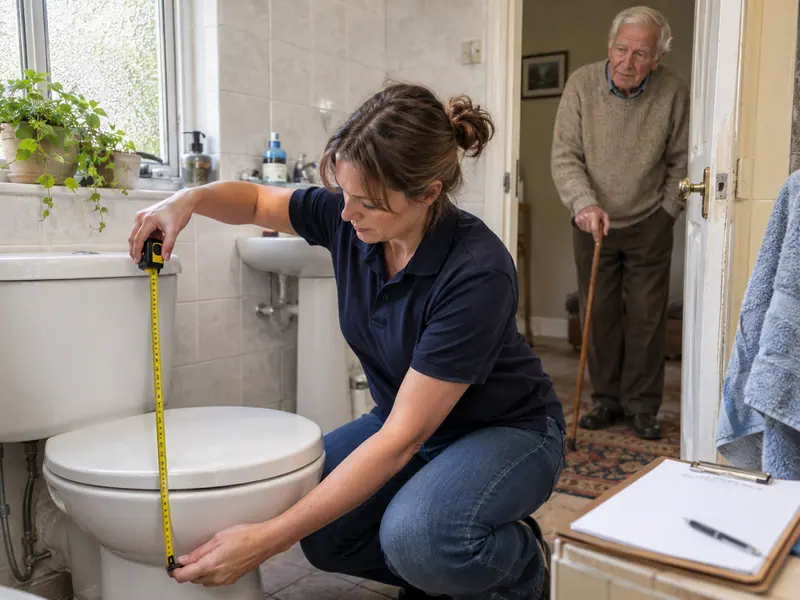
Do it yourself or get it fitted
What you can do on a visit
- Walk the route from bed to toilet with them and note dark or cluttered spots.
- Watch what they hold when they stand, sit and step out.
- Take up loose rugs and clear the floor round the basin.
- Write down any falls or near-misses to tell the GP.
Who to ask
- Their GP, about balance, mobility and medicines.
- The council's occupational therapist, for equipment, rail positions and bigger changes.
- A home improvement agency such as Care & Repair, which can help find reputable contractors and oversee works2.
- Dorset Council has a short film on how a bath board is used, one of the aids an assessment may suggest.
A short film from Dorset Council UK, 1 min 35 sec. Press play to load it from YouTube; until then, nothing is requested from there.
Also asked
Should the hot water be turned down for a parent?
Not at the tank. HSE legionella guidance has hot water stored above 60°C and distributed above 50°C4. To reduce scald risk at the bath or shower, the answer is a thermostatic valve at the outlet, fitted by a competent plumber: see scalds and temperatures.
What if my parent has just left hospital?
Reablement is free for up to six weeks, for example after a hospital stay2. The next step is an assessment from council social services, which is free1. Long waits are common, but excessive delays can be challenged, and high-risk needs should be assessed promptly2.
Should my parent lock the bathroom door?
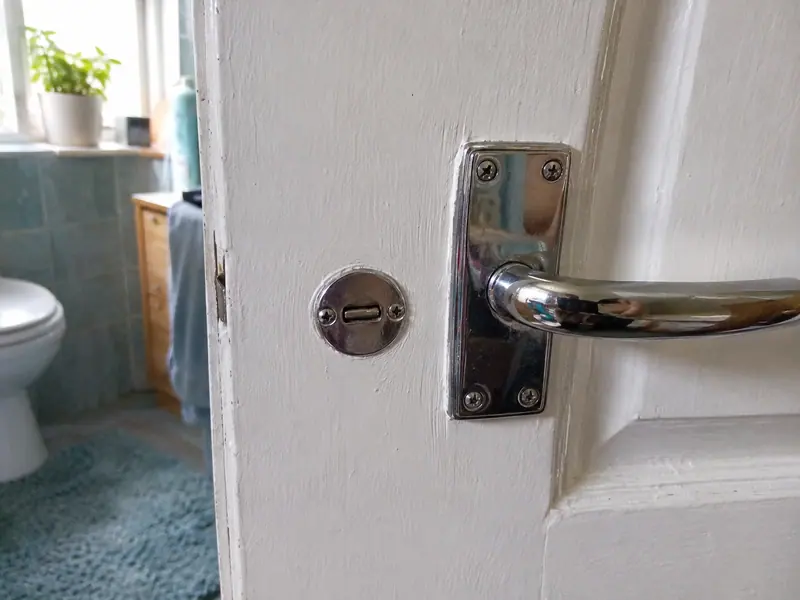
For people with dementia, Alzheimer's Society advises never locking the bathroom door if you live alone5. Whatever the lock, the door should still be openable from the hallway, and nothing should be left behind it that could stop it swinging. The door locks page shows what to look for and what is only practical judgement.
Sources
- NHS: Household gadgets and equipment to make life easier
- Age UK: Factsheet 42, Disability equipment and home adaptations (March 2026) England
- NHS: Falls
- HSE: Legionella and legionnaires' disease, health and social care For health and social care settings; used here for the stored-water temperature only
- Alzheimer's Society: Making your home dementia friendly