Scalds and hot water temperatures
HSE's scald temperature for health and care settings, not homes, is 44°C: water above it carries a scalding risk, and for vulnerable people in a bath it must not go higher.3 At home, keep stored water hot and limit the outlet with a valve from a competent plumber.
Updated , by Bathroom Safety in Pictures
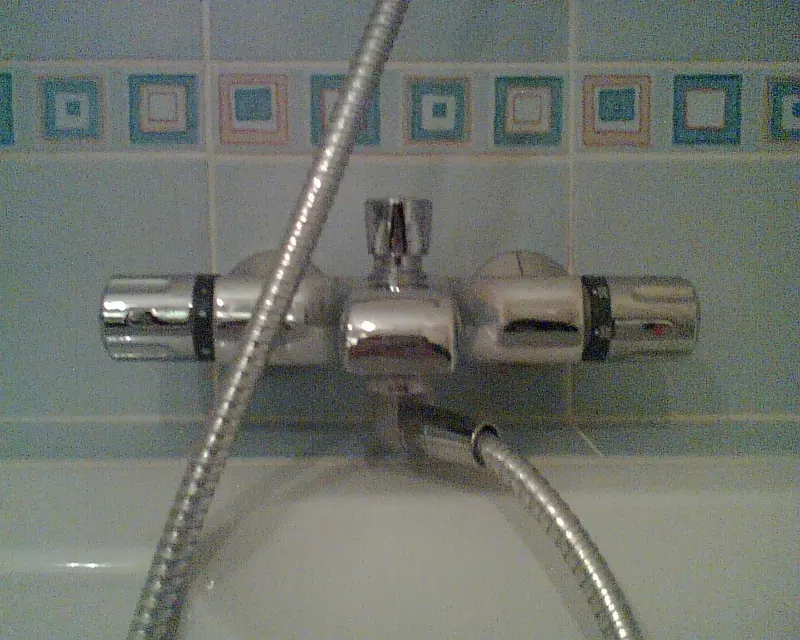
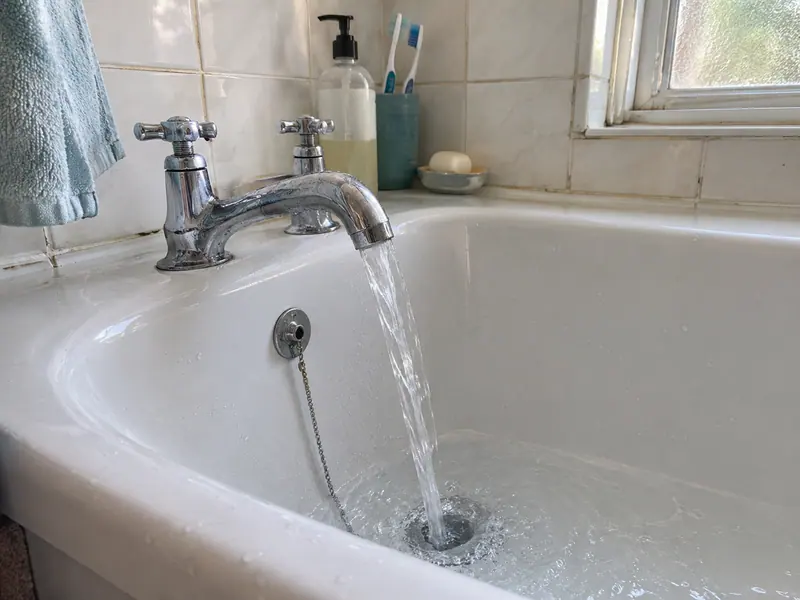
Which tap goes on first for a bath?
Cold first, then hot, and stir. Test with your elbow before anyone gets in, as RoSPA advises for children.5 Hot bath water causes the most fatal and severe scalds among young children, and children can drown in very small amounts of water, so no young child is left alone in the bath, even for a moment.5 See young children for the wider picture.
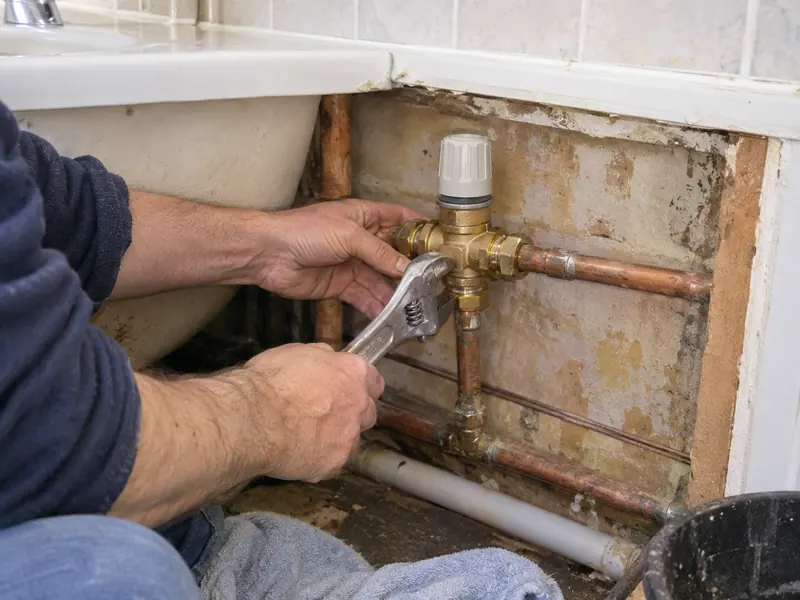
What does a plumber do to fit a valve?
This is the lasting fix, and it sits on the pipework, out of the bather's reach. A competent plumber fits it, sets the temperature limit, and tests it. Approved Document G names valves shown to meet BS EN 1111 or BS EN 1287, which should fail safe and should not be easily altered by the people who use the room.1 In England a new bathroom in an existing home does not need one by law, though the potential safety benefits are worth weighing.2 Ask the plumber which standard the valve meets.
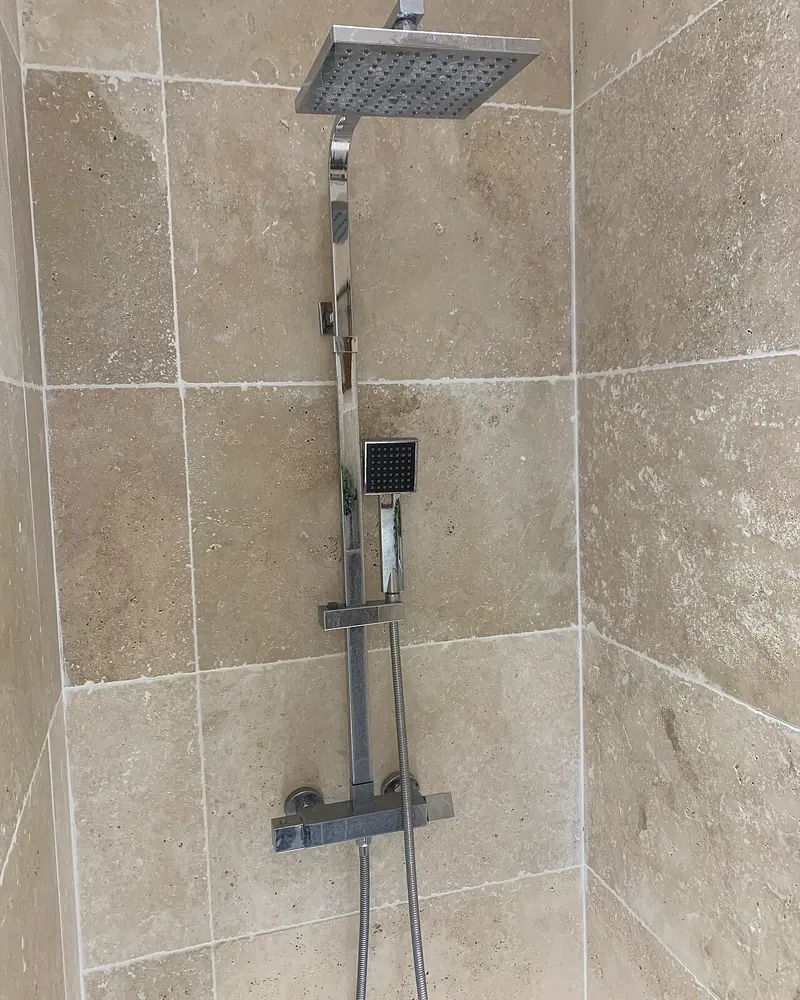
Does a thermostatic shower protect enough?
A thermostatic shower holds the temperature you set when the supply changes. Whether it also limits the hottest setting, and fails safe if the cold supply drops, depends on the valve inside, so ask. Test the first water on your hand, not your head, and keep the dial away from the hottest end for children and older people. For anyone who cannot get out of the way of hot water quickly, the outlet limit matters more than the dial. See thermostatic mixing valves.
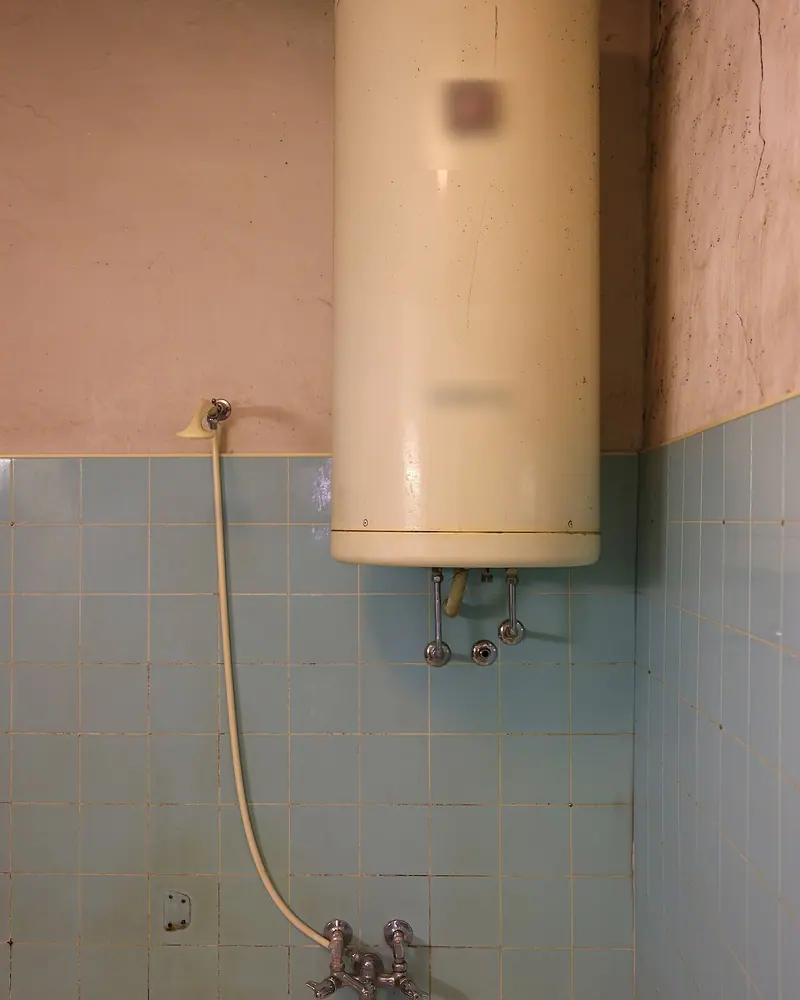
Why not just turn the cylinder down?
Because stored hot water is kept hot to keep bacteria such as legionella in check. HSE's guidance for health settings puts hot stored water above 60°C.4 A cylinder set cooler to protect a bather leaves the water in it at risk. The way to limit scalds is a valve at the outlet, fitted by a competent plumber, with the stored water left alone. In a rented home, HSE landlord guidance says tenants are told not to adjust it; if you rent, ask the landlord.7
Never lower the cylinder or boiler temperature to make bath water safer. Protect the outlet with a thermostatic valve instead.
For a scald, hold the burn under cool running water for 20 minutes, within 3 hours of the injury.6 Ring NHS 111 for advice (in Northern Ireland, your GP or the GP out of hours service8), or 999 in an emergency.
| Temperature | Where it comes from | What it covers |
|---|---|---|
| 44°C | HSE, health and social care settings, not homes3 | Water above it carries a scalding risk; the limit for vulnerable people in a whole-body bath |
| 48°C | Approved Document G, England1 | Hot water to a fixed bath in a dwelling newly built or formed by change of use; not a rule for existing bathrooms |
| 50°C | HSE legionella guidance4 | Hot water distributed above this |
| 60°C | HSE legionella guidance4 | Hot water stored above this |
Do it yourself or get it fitted
What a household can do
Who to ask
- A competent plumber to fit and set a thermostatic mixing valve.
- The landlord, if you rent and want a valve at the bath.
- The GP or council occupational therapist if an adult's reactions or mobility are the worry.
What a mixing valve looks like
To see the kind of part involved, mixing valves are listed at PlumbingSupplyAndMore, which has the same owners as this site, sells in the US and may not ship to the UK; US valves follow different standards, so a UK install should follow Approved Document G with a plumber's advice.
Also asked
What temperature should bath water be to avoid scalds?
No comfort figure for home baths is given here. HSE's health-setting rule is that water for vulnerable people in a whole-body bath must not exceed 44°C.3 At home, run cold first, test with an elbow, and have a plumber fit a thermostatic valve to limit the outlet.
What temperature should hot water be set to?
Stored hot water should stay above 60°C to control legionella, per HSE guidance for health settings.4 Scald safety comes from limiting the outlet with a valve, not from lowering the cylinder. Ask a competent plumber about a valve for the bath or shower.
Sources
- HM Government: Approved Document G, with 2024 amendments England
- MHCLG: Part G frequently asked questions (March 2016) England
- HSE: Scalding and burning written for health and social care settings, not homes
- HSE: Legionella, health and social care written for health and social care settings
- RoSPA: Accidents to children
- NHS: Burns and scalds, prevention and first aid
- HSE: Legionella, landlords' responsibilities
- nidirect: GP out of hours service Northern Ireland