Young children in the bathroom
For bathroom safety with children, never leave a young child alone in the bathroom or the bath, even for a moment1. Run the cold water first and test the bath with your elbow1. Hot bath water causes the highest number of fatal and severe scalding injuries among young children1.
Updated , by Bathroom Safety in Pictures
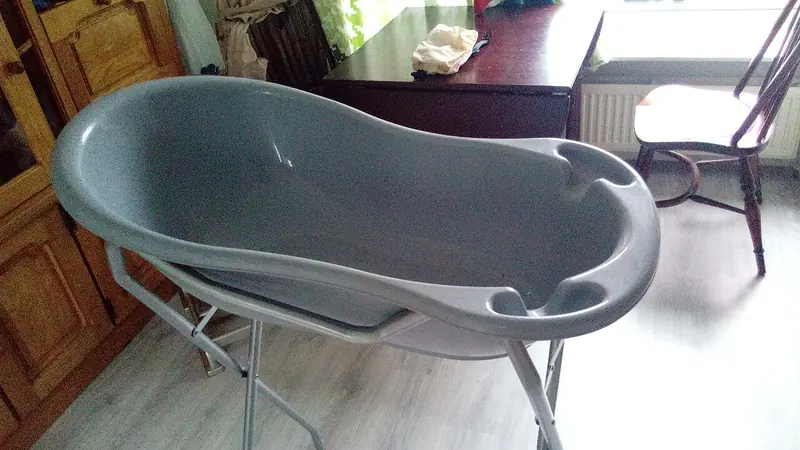
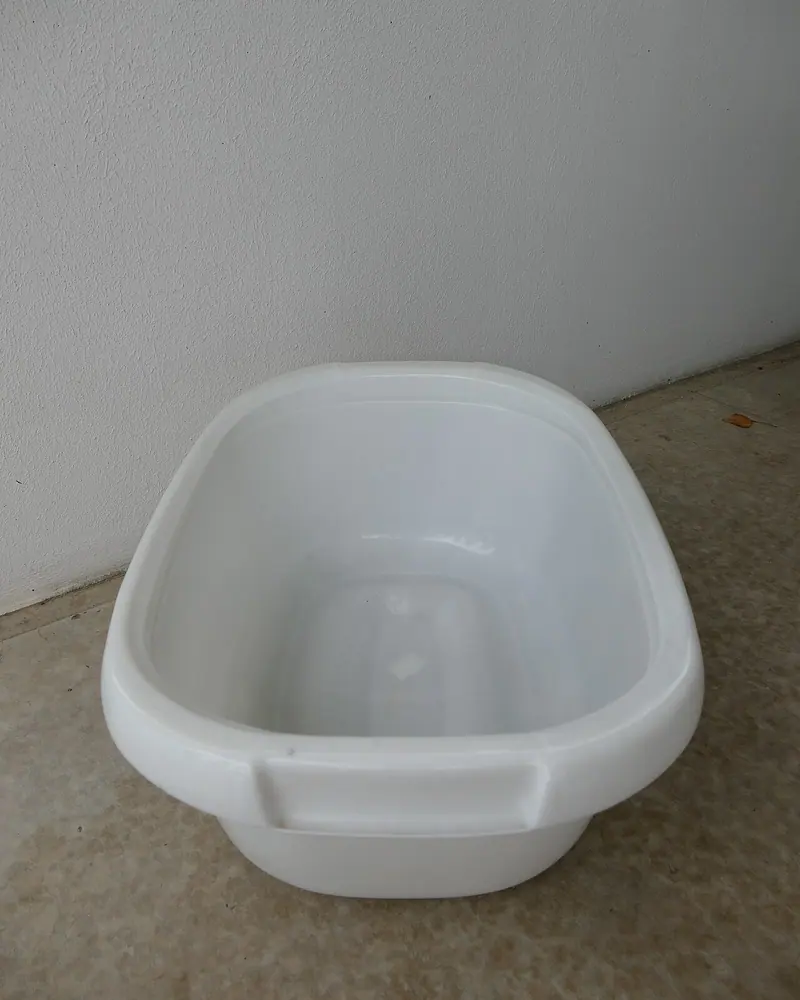
Where does the baby bath go afterwards?
Check where the tub is when it is full and when it is empty. Full, the water is the hazard, and children can drown in very small amounts1, so tip it away as soon as you finish rather than leaving it standing. Empty, it is an obstacle on a hard floor. Fill it where you can stay beside it, cold water first, and test with your elbow before the child goes in. If the phone or the door goes while the bath is in use, take the child with you.
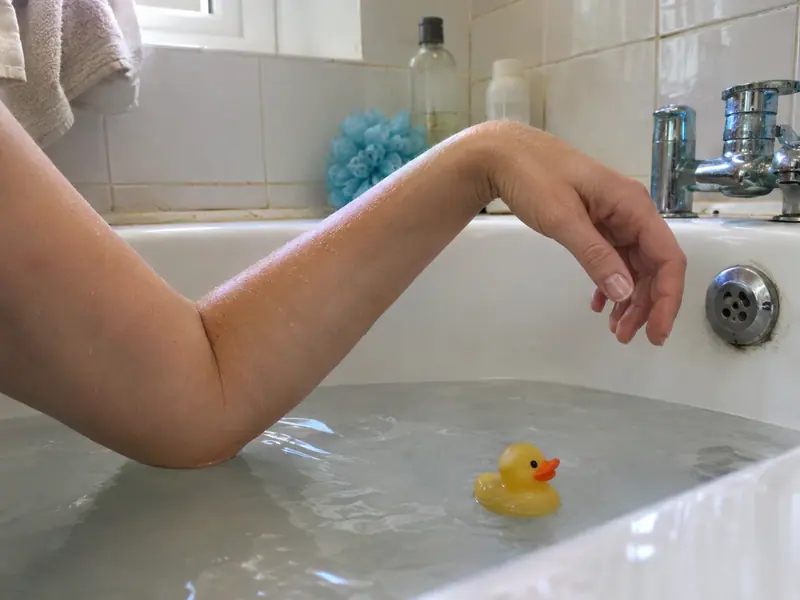
How do you test bath water before a child?
RoSPA's advice is to run the cold water first, then add hot until it is comfortable, and to test with your elbow1. A child's skin is far thinner than an adult's: CAPT says babies' and toddlers' skin is up to 15 times thinner2, which is why water that feels fine to you can scald. If a scald happens, hold the burn or scald under cool running water for 20 minutes, within 3 hours of the injury3. The NHS page on burns and scalds has more on what to do next.

Do bath toys make it safe to step away?
Toys keep a child busy and reaching, which is when they lean, slip and go under. They are a reason to stay, not a reason to leave. RoSPA's advice does not change with how happy a child looks: never leave young children alone in the bathroom, and never unsupervised in the bath, even for a moment1. If you must go, take the child with you, wrapped in a towel. At the end, tip out the water and lift the toys out.
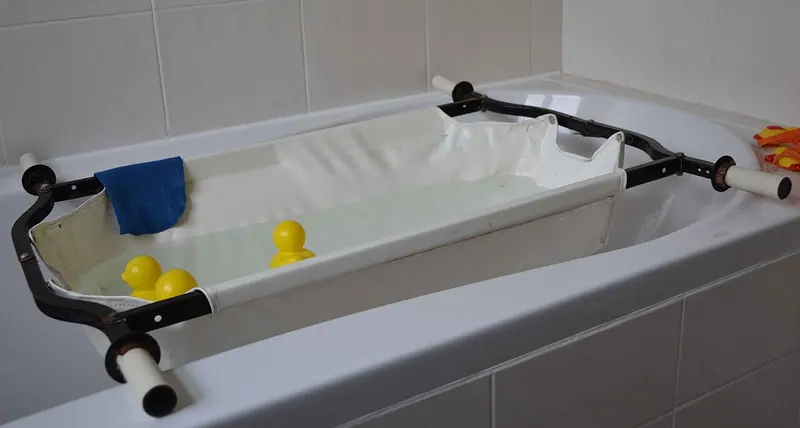
Is a bath support enough to leave a child?
A mesh support or bath seat holds a child in position. It is not a guard. RoSPA says never unsupervised in the bath, not even for a moment1, with no exception for supports or seats. The adult is the safety measure: within reach, eyes on the child. The depth of water matters too, since children can drown in very small amounts1. Follow the maker's instructions for any support, and check it before each use.
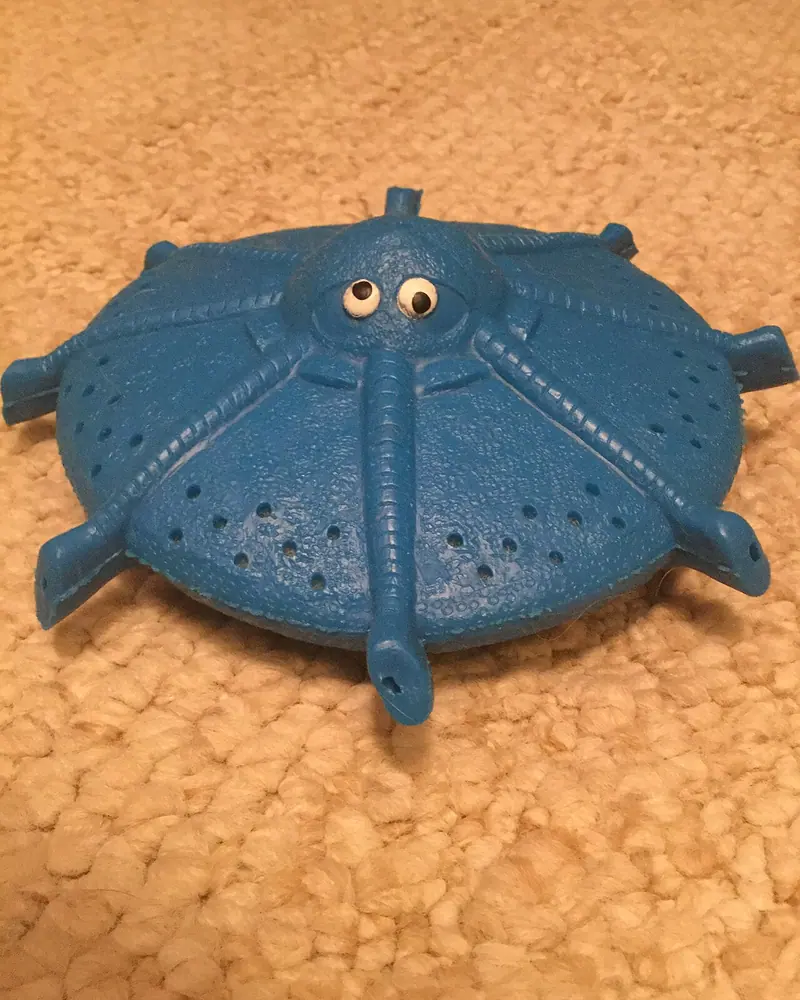
What gets left on the bathroom floor?
A toy left on the floor is a trip hazard for the adult carrying a wet child, and a slippery one once it lands in a puddle. After bath time, put toys in a basket or on a shelf, and dry the floor where you step. It is also a moment to look at the room from a child's height: bottles, razors and anything sharp within reach. For hot water, CAPT says thermostatic mixing valves stop children being scalded within seconds, and can be installed by a professional, or you can ask your landlord2.
Related pictures for a bathroom with a small child
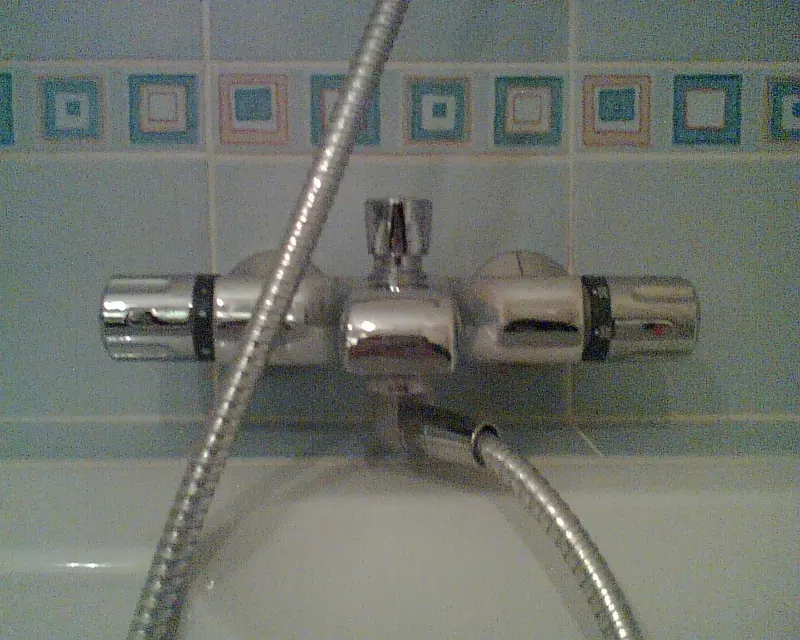 Scalds and temperaturesWhat 44, 48, 50 and 60 mean
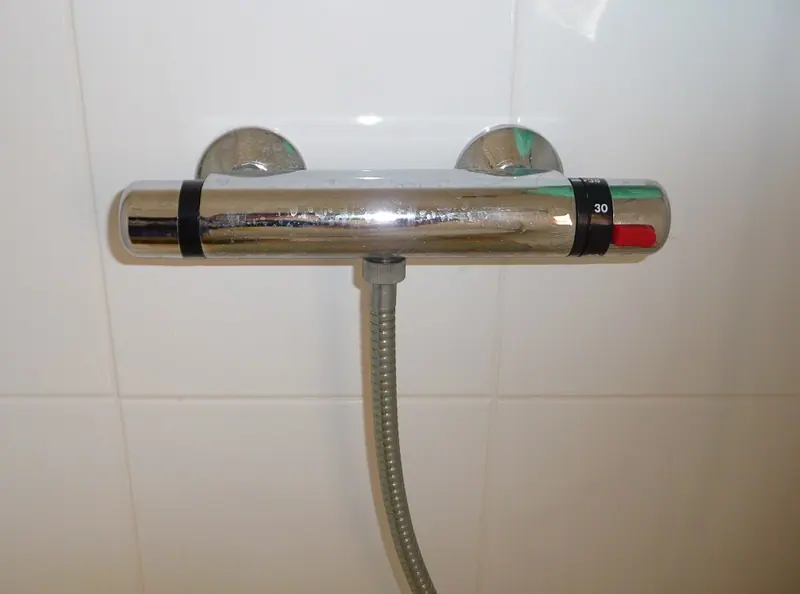 Mixing valvesWhat they do, wear and limescale
Do not turn down the hot water cylinder to protect a child. HSE legionella guidance has hot water stored above 60°C4. The protection belongs at the tap, with a valve.
Do it yourself or get it fitted
At bath time
- Cold water first, then hot; test with your elbow.
- Stay within reach for the whole bath, and take the child with you if you must leave.
- Tip the water out and put toys away afterwards.
- Hold a scald under cool running water for 20 minutes3.
Who fits what
- A competent plumber: a thermostatic mixing valve at the bath or shower, or at a tap.
- Your landlord, if you rent: ask them about a valve2.
A mixing valve, and where to see one
Hot water at the tap is a plumbing question. The answer is a valve at the outlet, fitted by a competent plumber, and never a lower setting on the hot water cylinder. Thermostatic mixing valves at PlumbingSupplyAndMore, a US plumbing supplier sharing the same owners as this site, show what one looks like, though US fittings differ and shipping here isn't promised, so treat it as a picture to compare. UK details are on the thermostatic valves page.
Also asked
Can a baby be left alone in the bath for a moment?
No. RoSPA says never leave young children alone in the bathroom, and never leave them unsupervised in the bath, even for a moment1. Children can drown in very small amounts of water1. If the phone or the door goes, take the child with you rather than hoping it will be quick.
Is a mixing valve a legal requirement in a bathroom?
For a new bathroom in an existing home in England, no: the Part G guidance says a valve is not required by law, but people may want to consider the safety benefits5. CAPT recommends them for protecting children from scalds2.
What should you do if a child is scalded?
Hold the burn or scald under cool running water for 20 minutes, within 3 hours of the injury3. Call 999 in an emergency. The NHS page on burns and scalds explains what to do next, and NHS 111 (in Northern Ireland, your GP or the GP out of hours service6) can advise if you are unsure how serious it is.
Sources
- RoSPA: Accidents to children
- Child Accident Prevention Trust: Burns and scalds
- NHS: Burns and scalds, prevention and first aid
- HSE: Legionella and legionnaires' disease, health and social care For health and social care settings; used here for the stored-water temperature only
- MHCLG: Approved Document G, Part G frequently asked questions (March 2016) England
- nidirect: GP out of hours service Northern Ireland