Poor sight or memory in the bathroom
A bathroom for dementia or poor sight works best when things stand out: a seat, rails and basin that contrast with their surroundings, good light, and a clear sign on the door12. Alzheimer's Society adds that someone with dementia who lives alone should never lock the bathroom door2. Changes in sight or memory are for the GP.
Updated , by Bathroom Safety in Pictures
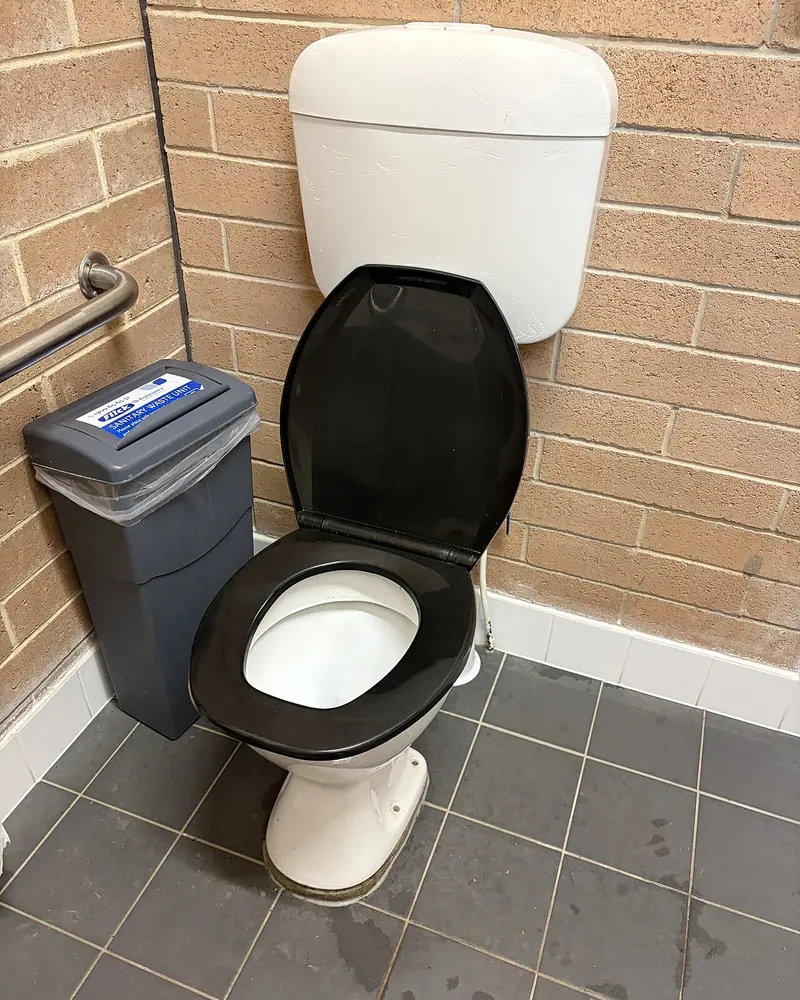
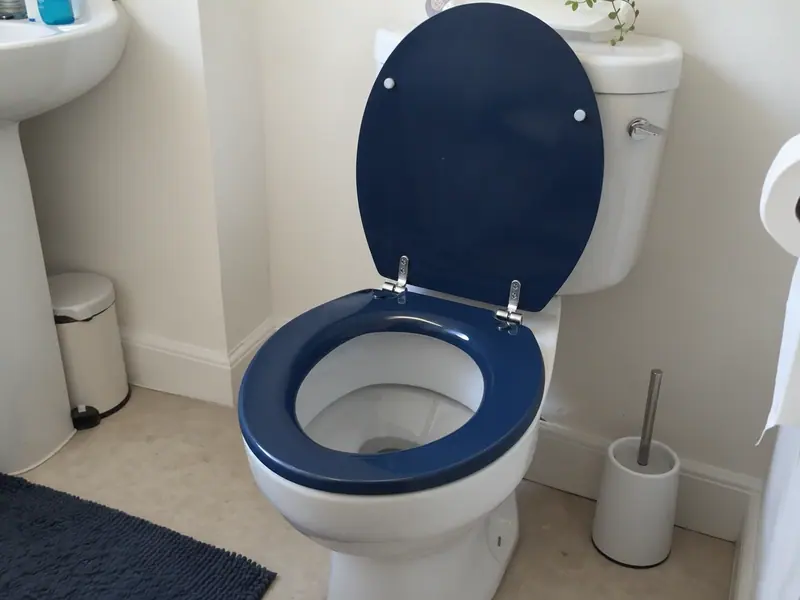
Does the toilet seat stand out from the bowl?
RNIB gives the example of a dark blue seat on a white bowl1, and the NHS also advises a contrasting seat3. The test is to stand at the door in the usual light and see whether the seat, the bowl and the floor read as three separate things. In a mostly white room they merge. Pocklington Trust's guide suggests at least 20 points of difference in light reflectance value between surfaces, 30 preferred, lit to 200 lux or more, and not relying on colour alone4.
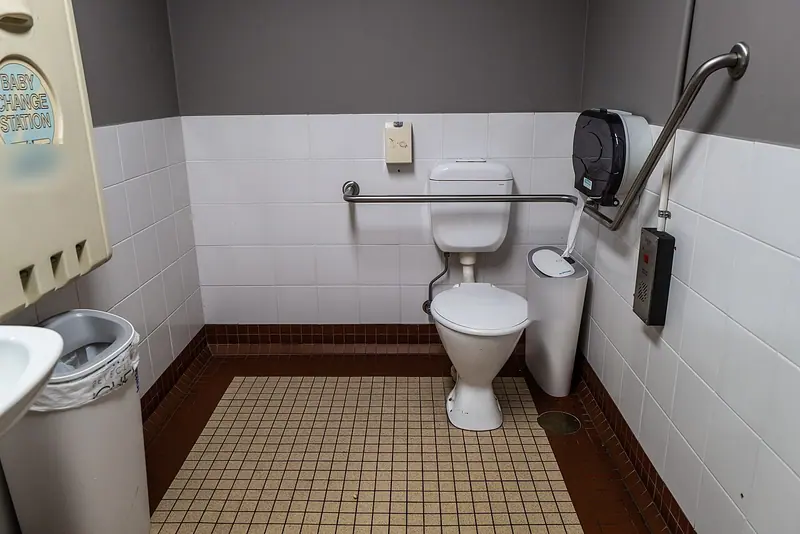
Do the rails and floor edge stand out?
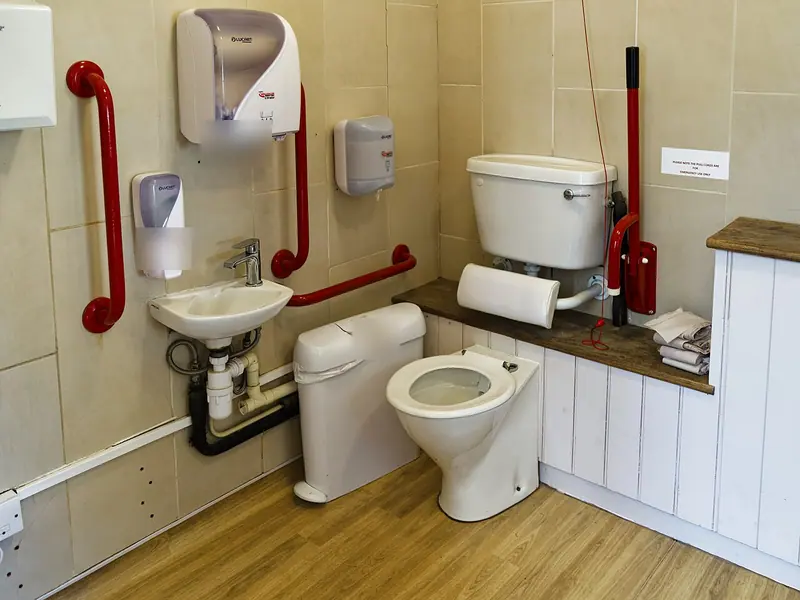
RNIB advises grab rails that stand out and flooring that contrasts with the walls1. Here a red band marks where floor meets wall, so the edges of the room are plain to see, and the rails show against the wall instead of blending into it. At home, check whether a white rail on white tiles disappears in poor light. A person with poor sight has to find the rail before they can use it. Position and fixing are separate questions: see where grab rails go.
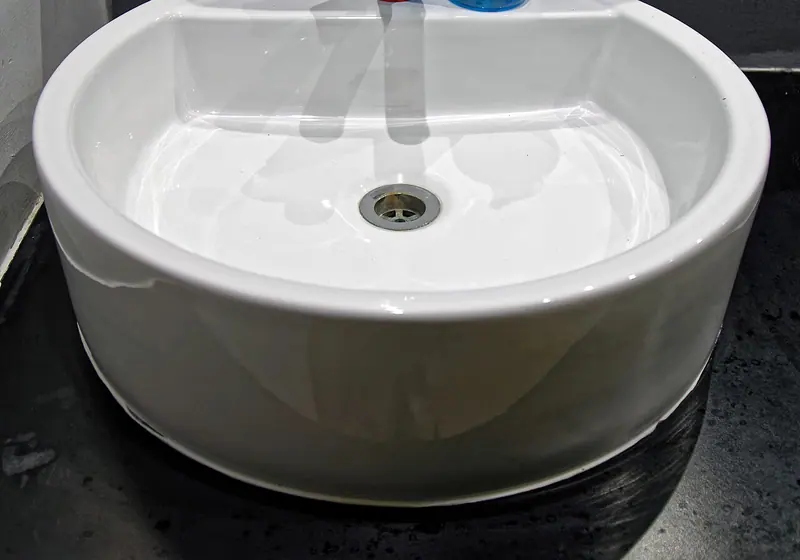
Can you find the basin, soap and towel?
Contrast is not only for the big fixtures. RNIB says basins and toilet seats should contrast with their surroundings, and so should soap and toilet rolls1; Alzheimer's Society suggests contrasting towels, roll holders and seats2. Here the white bowl stands out from the dark surface. Look at your own: white soap on a white shelf, a white towel on a white rail. Changing a towel or a soap bottle is the easiest change on this page.
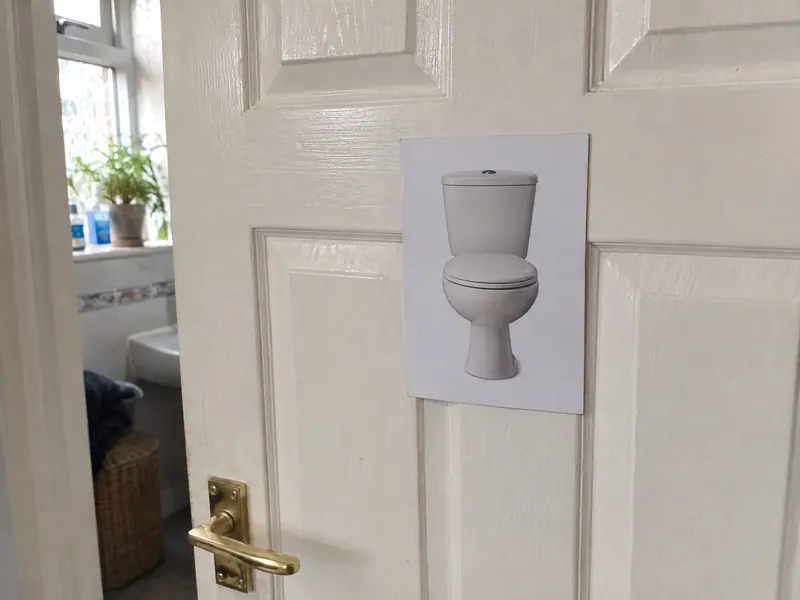
Does the door say what is behind it?
Alzheimer's Society suggests a sign with a picture of a toilet and the word2, and the NHS suggests the sign slightly lower than normal3. The card here has the picture but no words, so add them if the person reads. Leave the door open if the person likes that, and leave a light on or use a motion sensor at night2. Take away a bin or storage that could be mistaken for a toilet2. The night lighting page covers the light.
More pictures on seeing and finding things
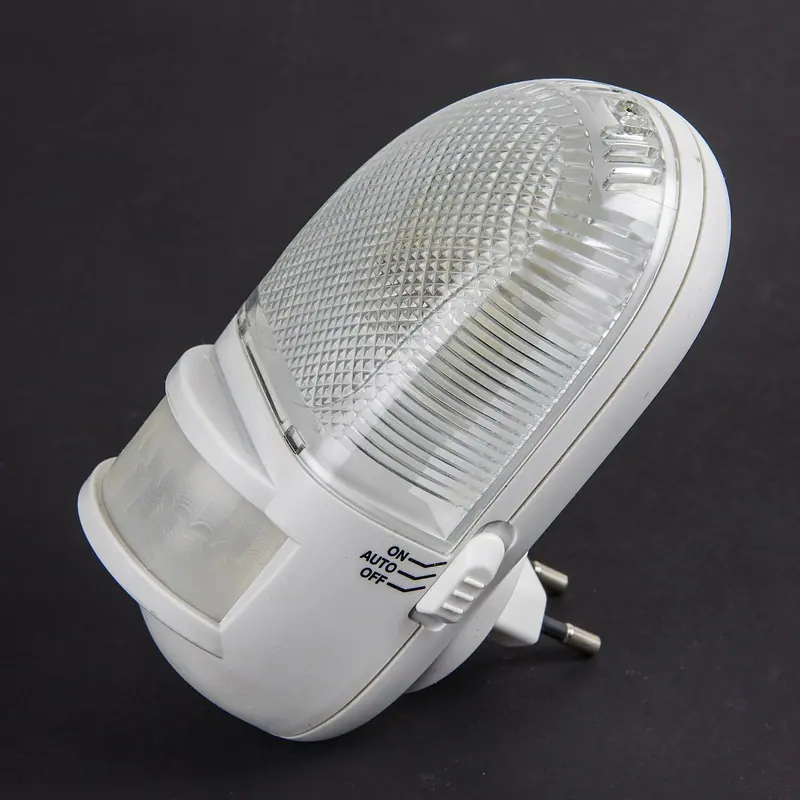 Night lightingSeeing the way without glare
 Frames and railsArms and rails beside the toilet
 Slip-resistant flooringWhat to look for before you buy
If the person has dementia and lives alone, never lock the bathroom door2. Never take portable heaters into the bathroom2.
Do it yourself or get it fitted
Small changes first
- Choose a towel, roll holder, soap and seat that contrast with what is behind them.
- Put a picture sign on the door, a little lower than usual.
- Leave a light on, or use motion sensor lights at night.
- Remove any bin or storage that could be taken for a toilet.
Who to ask
- The GP, for any change in sight or memory.
- The council's occupational therapist, through social services2: see getting an assessment.
- A competent plumber, if the person prefers traditional-style taps, flush or plugs3.
- A registered electrician, for any fixed light.
Also asked
Which colour toilet seat is best for dementia?
No single colour is named in this guidance. RNIB's example is a dark blue seat on a white bowl1, and the aim is contrast with the bowl and the floor2. Pocklington Trust warns against relying on colour alone, and advises good light4.
Should a person with dementia have a lock on the bathroom door?
Alzheimer's Society advises never locking the bathroom door if you live alone2. If a lock stays, it needs a release that can be worked from outside the room, and the door should not be blocked from behind. The door locks page shows what to look for and where the advice is only practical judgement.
Can taps and the flush be made less confusing?
The NHS suggests traditional-style taps, flush and plugs if the person prefers them, and covering mirrors if they cause confusion3. Alzheimer's Society also mentions colour-changing plugs and flood prevention plugs2. Any plumbing change is for a competent plumber, and a change that suits one person may confuse another, so ask the person what they prefer.