Slips and falls in the bathroom
Slips and falls in the bathroom are best met with ordinary changes: remove loose rugs and clutter, use a non-slip mat, and consider grab rails1. After any fall, or if balance is a worry, see a GP, who may refer you to a falls service1, and ask the council about an occupational therapist. Around a third of people aged 65 and over fall at least once a year2.
Updated , by Bathroom Safety in Pictures
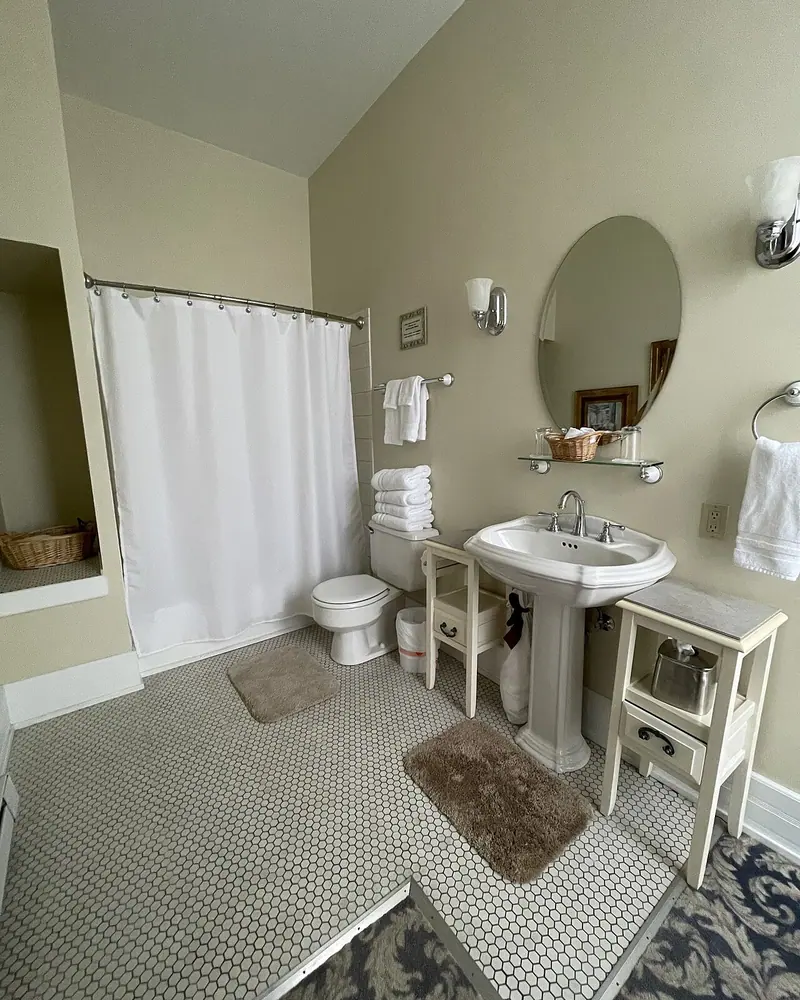
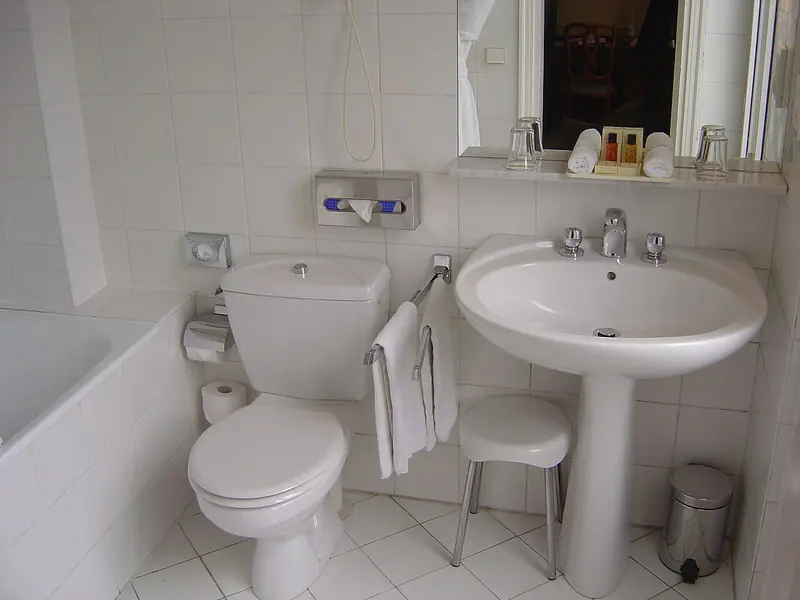
How tight is too tight?
Count what is within arm's reach of the toilet: the basin, a stool, the edge of the bath. In a space this small a person turning round has little room, and a stool that can slide on a wet floor is one more thing to catch a foot. Test your own room by standing where a person stands to turn and sit. Is there something fixed to hold, and room to move without bumping furniture? If not, ask for a needs assessment: in England it is free from council social services3.
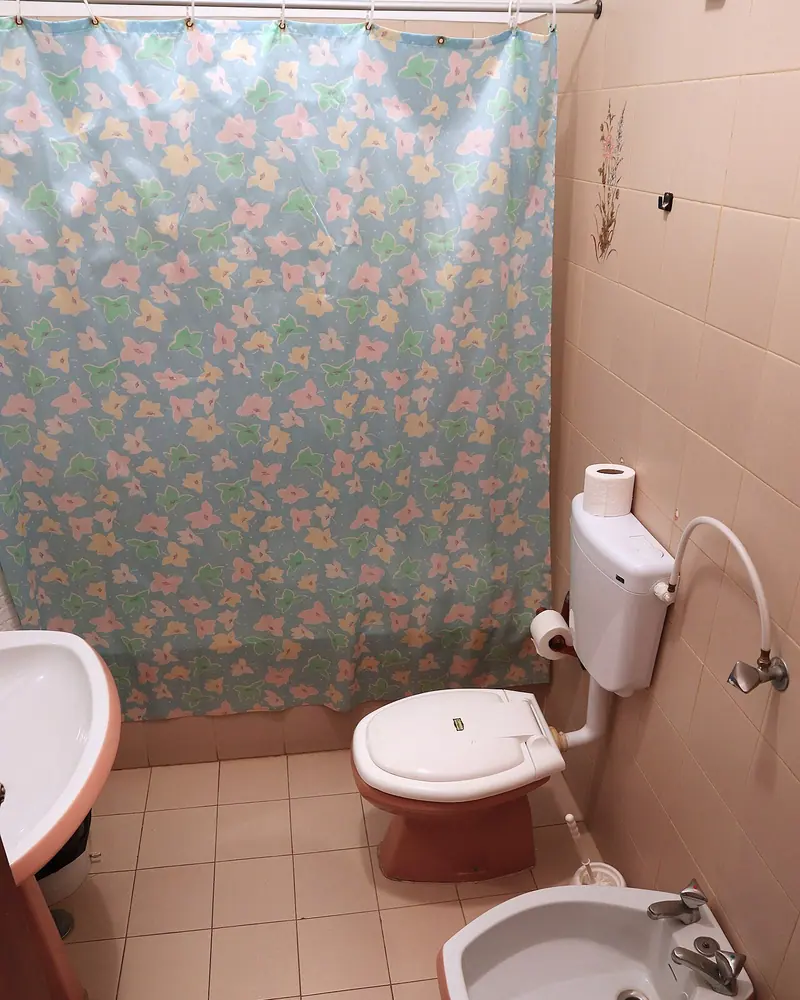
Is a shower curtain something to hold?
A curtain moves, and so does the rail it hangs from, so neither is a handhold. Someone who loses balance reaches for the nearest thing; make sure that is a fixed rail and not a curtain or a towel hook. Look at the floor as well: wet tiles under the curtain, and a step over the bath edge to get beneath it. Where a person's weight depends on a rail, the wall and fixings matter and fitting is for a professional: see where grab rails go.
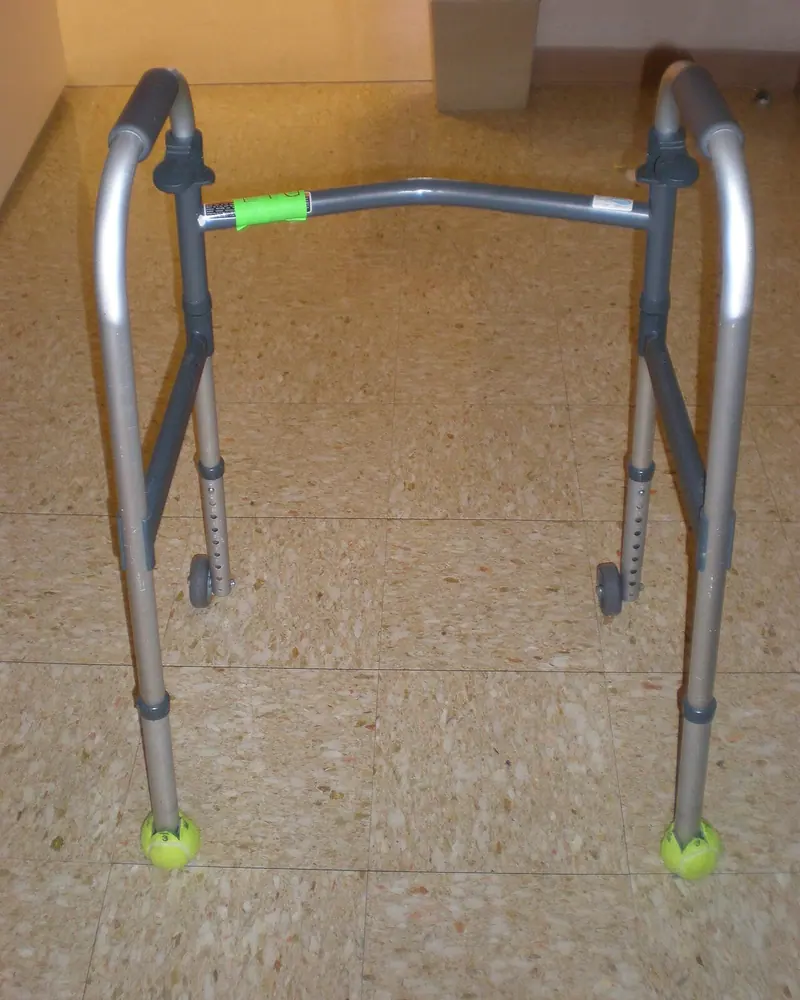
Will the walking frame go where the person goes?
If someone uses a frame, ask whether it can come into the bathroom, and whether it fits beside the toilet and through the door. Ball feet may slide on a dry floor, and a wet bathroom floor behaves differently, so ask whoever supplied the frame whether it suits that floor. In England, equipment is free if an assessment says it is needed3. The NHS also lists balance and strength exercises at least twice a week, and shoes or slippers with grip1. Don't swap one walking aid for another without advice.
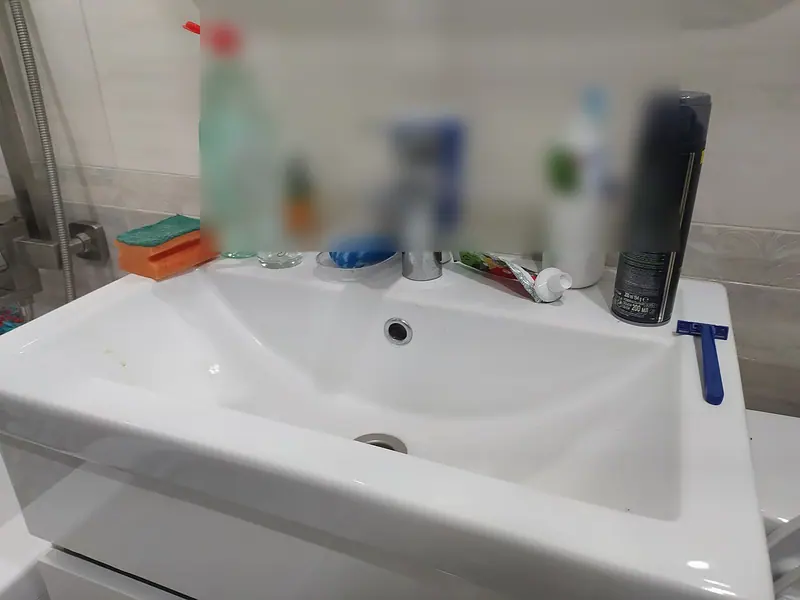
Can clutter at the basin cause a fall?
Clutter turns a quick reach into a lean. Bottles at the back of the basin make a person stretch over the tap, and one knock sends things to the floor, where they become hazards of their own. Clear the basin down to what is used daily and put the rest where it can be reached without leaning. The single lever is in its favour: the NHS lists easy-to-turn tap handles among equipment that helps3. Check the floor beneath for lids, tubes and towels too; the NHS advice is to clear clutter1.
Pictures to follow up, one hazard at a time
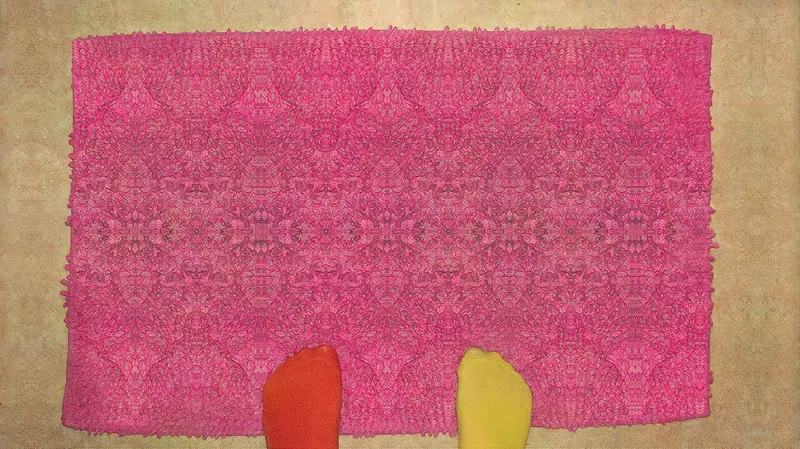 Mats and rugsWhat stays put and what slides
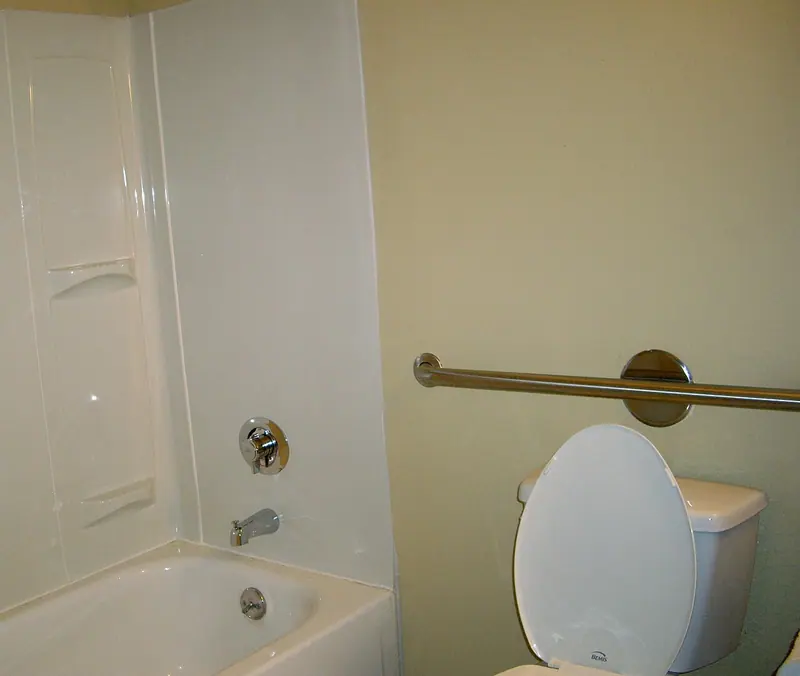 Where rails goBy the bath, toilet and shower
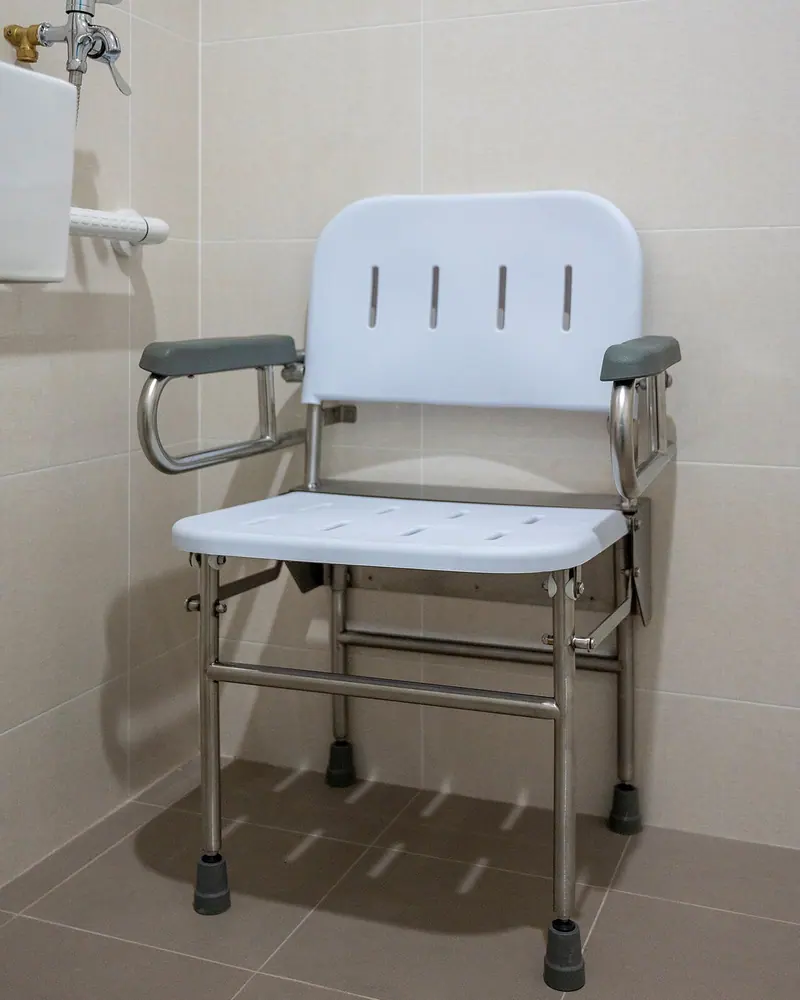 Shower seatsStool, chair or fold-down
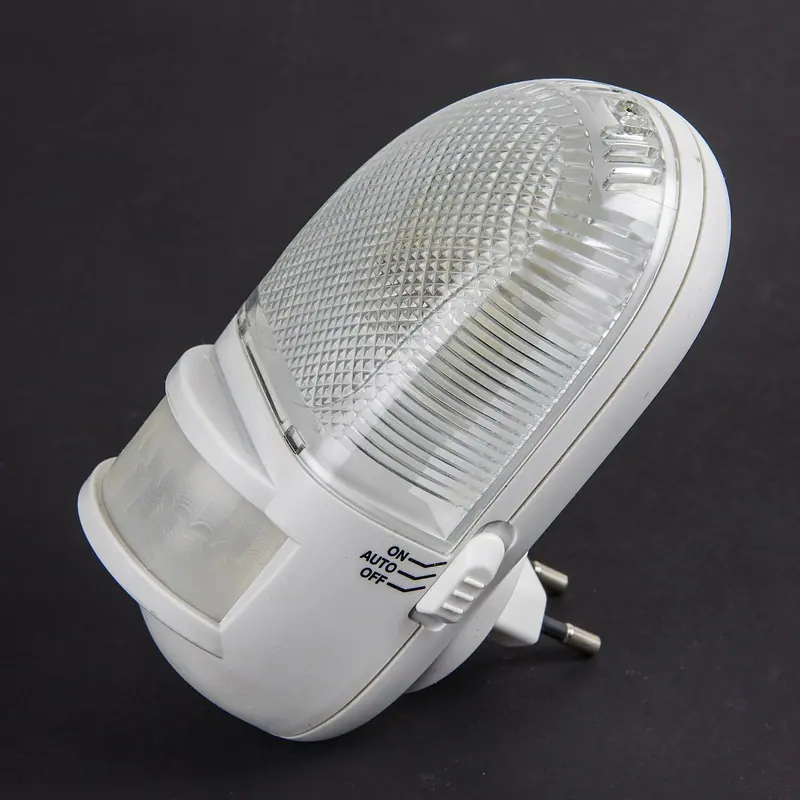 Night lightingSeeing the way without glare
Call 999 if someone has fallen and may have injured their head, back, neck or hip, or cannot get up. Call NHS 111 (in Northern Ireland, your GP or the GP out of hours service4) if they may be in pain, injured or unwell1.
Do it yourself or get it fitted
What you can change today
- Take up loose rugs, and use a non-slip mat in the bath or shower.
- Clear the basin and the floor round it.
- Check slippers or shoes grip.
- Keep a phone or alarm where it can be reached from the floor.
Who to ask
- A GP, if balance or mobility is a worry or after any fall: they may refer to a falls service1. Swansea Bay NHS TV has a short film from an occupational therapist on cutting the risk of falls.
- The council's occupational therapist, for equipment and rail positions: see getting an assessment.
A short film from Swansea Bay NHS TV, 1 min 12 sec. Press play to load it from YouTube; until then, nothing is requested from there.
Also asked
How common are falls in older people?
OHID says around a third of people aged 65 and over, and around half of those aged 80 and over, fall at least once a year2. Being older, or having mobility problems, makes a fall more likely1. Many of the changes on this page are about the room, but the cause can be health-related, which is why a GP comes first.
What if you fall and cannot get up?
Use a phone or alarm if you can reach one; if not, shout or bang on the floor or wall. Stay warm, keep gently moving, and change position about every 30 minutes1. Call 999 if you may have injured your head, back, neck or hip, or cannot get up1.