Disabled facilities grants, nation by nation
A disabled facilities grant helps pay for adapting a home, but the scheme depends on the nation. GOV.UK shows up to £30,000 in England, £36,000 in Wales and £25,000 in Northern Ireland, and says DFGs are not available in Scotland1. Figures checked 3 November 2026; the council decides, so nothing is promised.
Updated , by Bathroom Safety in Pictures
How does the England grant work?
GOV.UK says up to £30,000 in England, and Age UK describes £30,000 as the mandatory maximum, with discretion to pay more18. It usually depends on household income and savings over £6,000; Age UK says the first £6,000 of capital is ignored18. GOV.UK says it may cover grab rails, a level-access shower, wider doors, ramps and heating and lighting controls1. The council has to agree the work is necessary and appropriate1. 'May' matters in every line: this is not a list of things you are owed.
What order do things happen in?
The steps in GOV.UK's guidance: apply through the council, which may send an occupational therapist or trained assessor; the council decides within six months; money is paid in instalments or in full when the work is finished; the work should finish within 12 months of approval1. You might not get any grant if you start work before approval1. The grant does not affect benefits1. Age UK says a property charge is possible on amounts over £5,0008, so ask what that would mean for your home.
Does a worn-out bathroom count?
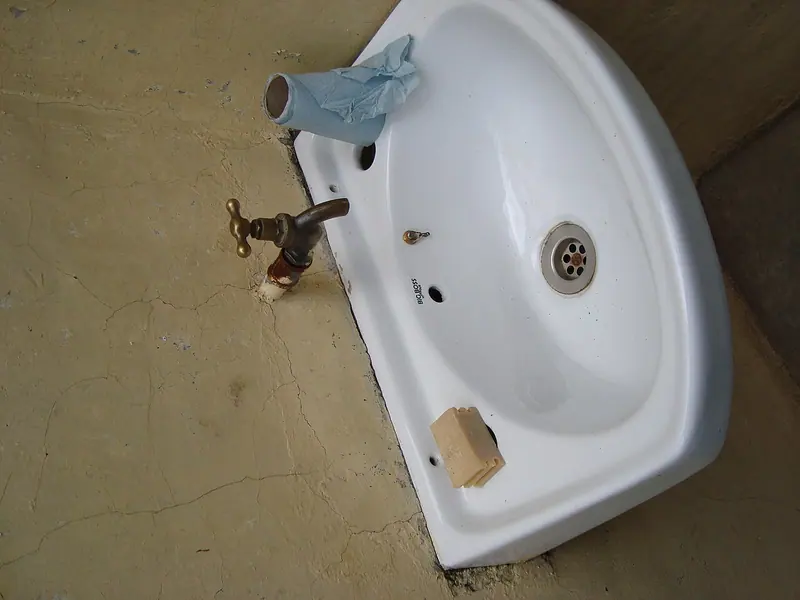
Worn taps and a stained wall look like repair, not adaptation. The guidance on this page describes grants for work a disabled person needs, such as rails, level-access showers and a wider bathroom, and says nothing that makes general repairs or tired fittings eligible. The council has to agree the work is necessary and appropriate1. So ask the council before assuming, and keep repairs separate in your mind from adaptations. A home improvement agency can help find reputable contractors and oversee works8.
Each nation from its own source
Figures are as each source gave them on 3 November 2026. They are ceilings and descriptions of schemes, not amounts any household will receive, and each scheme is decided locally.
| Nation | Scheme and ceiling | How to start | Notes |
|---|---|---|---|
| England | Disabled Facilities Grant: up to £30,000 per GOV.UK1; Age UK gives £30,000 as the mandatory maximum, with discretion for more8 | Apply through your council, which may send an occupational therapist or trained assessor1 | Usually depends on household income and savings over £6,000; a landlord can apply for a tenant without income counted1 |
| Wales | GOV.UK shows up to £36,0001. The Welsh Government's ENABLE scheme has three levels: small (grab and stair rails, small ramps, accessible taps, key safes), medium (walk-in showers, chair lifts, large ramps) and large (extensions, through-floor lifts, moving a bathroom or kitchen)5 | Apply through your council1 | The means test was removed on small and medium DFGs from April 20216. A February 2026 reply reported that Caerphilly and Newport had not removed it for medium adaptations in 2023/24 and 2024/257 |
| Northern Ireland | nidirect gives grant aid up to a maximum of £35,000, which the Housing Executive may in some cases raise to £70,0002. GOV.UK shows £25,0001 | Run by the Northern Ireland Housing Executive; start by contacting your local Health and Social Services Trust2 | The two official pages disagree, so ask the Housing Executive which figure applies. Normally only work your occupational therapist recommends is considered, and a contribution is calculated2 |
| Scotland | No Disabled Facilities Grant: GOV.UK lists it as not available1. Councils must provide a mandatory grant of at least 80% of the cost of work for a wider range of structural adaptations, and 100% for applicants on certain income replacement benefits3 | Your council; Care and Repair gives advice, small repairs, a handyperson and help with funding to people over 60 or disabled who own, privately rent or are crofters4 | The basis is the Housing (Scotland) Act 20063 |
What you can do, and who to ask
Before you apply
- Ask the council for an assessment before any work is booked.
- Do not start work before approval: you might not get any grant1.
- Note the date you applied, and keep every letter.
Who to ask
- The council's occupational therapist or assessor: see getting an assessment.
- In Northern Ireland, your local Health and Social Services Trust, then the Housing Executive2. In Scotland and Wales, your council and the schemes above.
- For the VAT side of an adaptation, see VAT relief.
Also asked
Can you get a Disabled Facilities Grant with savings?
In England it usually depends on household income and savings over £6,0001, and Age UK says the first £6,000 of capital is ignored8. A landlord applying for a tenant has income left out, and for a disabled child under 18 the parents' income is not counted1. In Wales the means test was removed on small and medium DFGs from April 2021, with exceptions reported67.
Do you have to pay back a disabled facilities grant?
No repayment rule is described in these sources. Age UK notes that a property charge is possible on amounts over £5,000 in England8. Ask the council exactly what would apply to your case, and what it would mean for your home, before you accept a grant.
Sources
- GOV.UK: Disabled Facilities Grants England, Wales and Northern Ireland; Scotland is listed as not available
- nidirect: Disabled Facilities Grants Northern Ireland; its figure differs from the one on GOV.UK
- Scottish Government: Guidance on the provision of equipment and adaptations Scotland
- mygov.scot: Care and Repair Scotland
- Welsh Government: ENABLE, support for living independently Wales
- Welsh Government: Written statement, removing the means test for small and medium Disabled Facilities Grants Wales
- Welsh Government: reply to a freedom of information request, February 2026 Wales
- Age UK: Factsheet 42, Disability equipment and home adaptations (March 2026) England